Welcome to Culture Check-In, a recurring column that both tracks what’s trending and documents the patterns shaping the current moment across fashion, design, art, technology, and culture. Every few weeks, I’ll break down what’s “in,” from emerging aesthetics to viral accessories, while also offering a quick, digestible roundup of what’s happening right now, similar to your go-to morning brief. Think of it as both a record of trends and a place to catch up on the cultural conversation as it unfolds.
By: Serenna Sousa ’27
The second it hits 50 and people get even a glimpse of spring, everyone starts acting straight out of a college catalog.
Hoodies are thrown off, spikeball is being played on any free patch of grass, UV levels are suddenly being checked, and half marathon decisions are being made.
Nothing has really changed, but the energy has; and now everything from what we’re wearing to what we’re paying attention to feels slightly different.
What do we even have in store for fashion, tech, art, and everything in between this season?
Keep reading to find out!
Put Together, Kind Of
Sooo we’ve been all rebranding our aesthetics for months now…
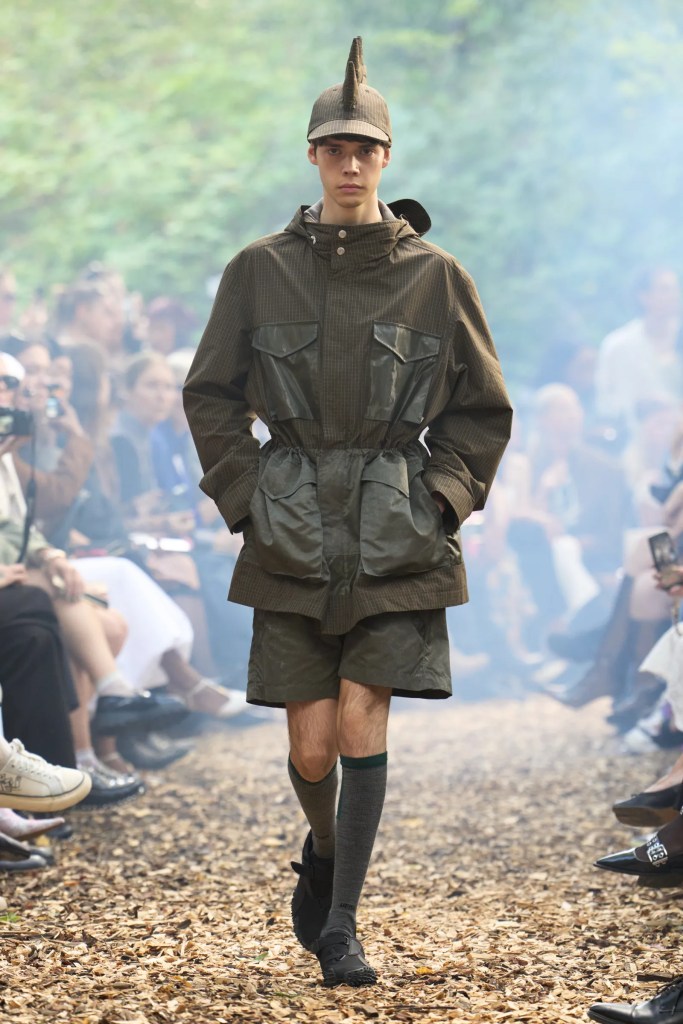
And it’s not even subtle anymore. You can see it in what people are wearing; everything feels more intentional, like everyone suddenly has a version of themselves they’re trying to present. Oversized trench, utilitarian pieces, masculine tailoring…like okay, why are we all trying to dress like European casual all of a sudden?
There’s something about it that feels a little…borowed. Like we’re assembling outfits from our situationships. Pieces that aren’t fully ours, but wearing them anyway. Slightly oversized, slightly detached, like we’re trying something on without fully committing to it.
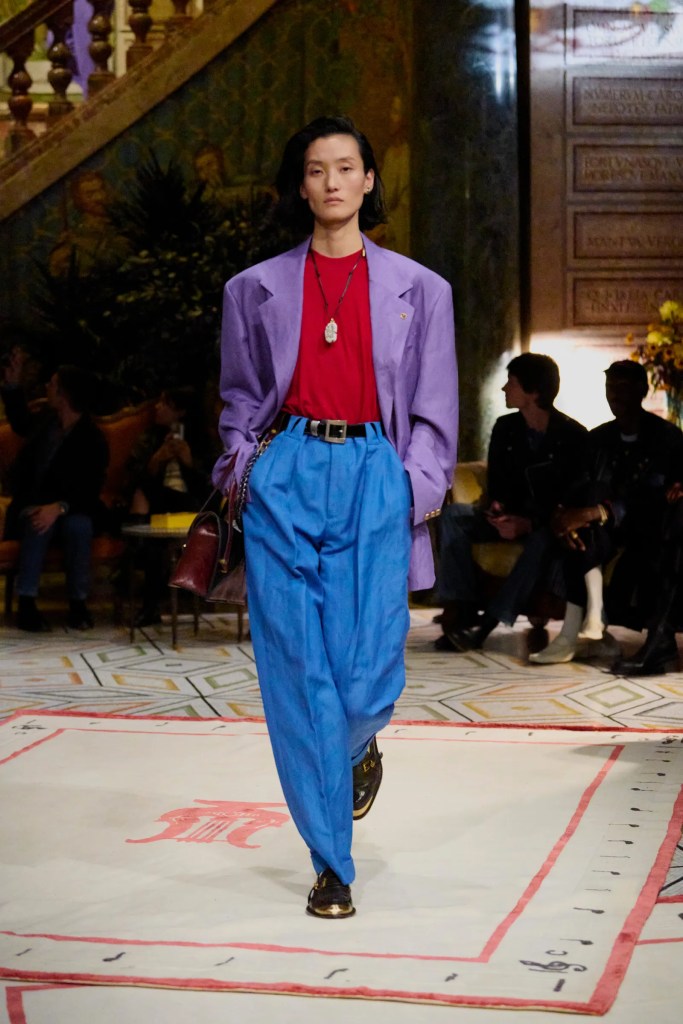

But what’s funny is at the exact same time, we’re leaning just as hard in the opposite direction. Satin, lace, pajama dressing, boudoir everything; like suddenly getting dressed also means looking a little undone, a little softer, a little more intimate.
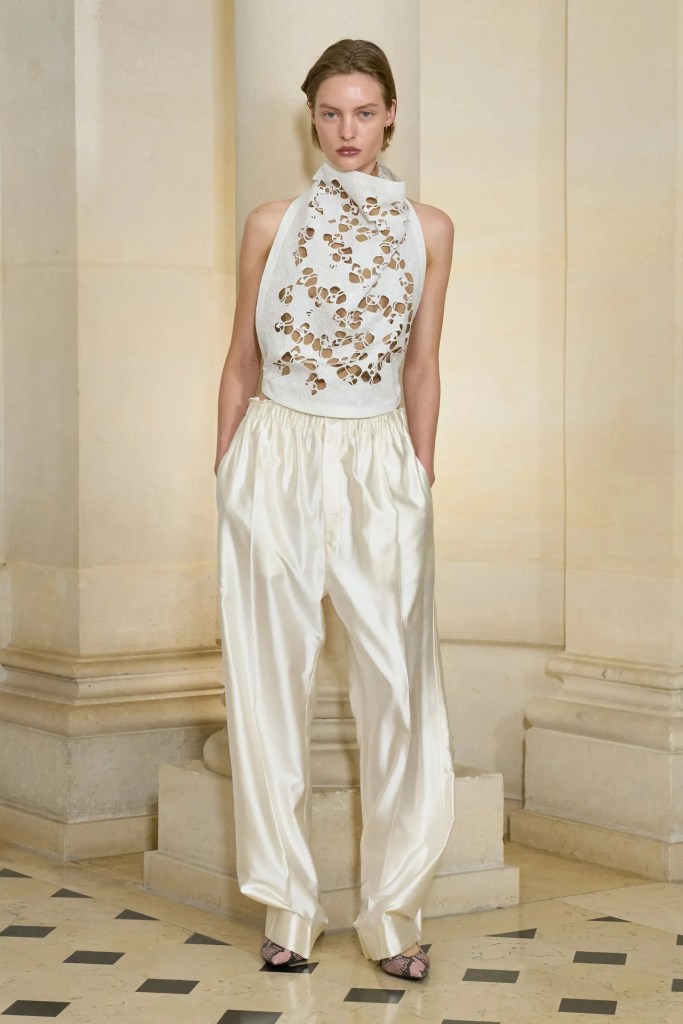

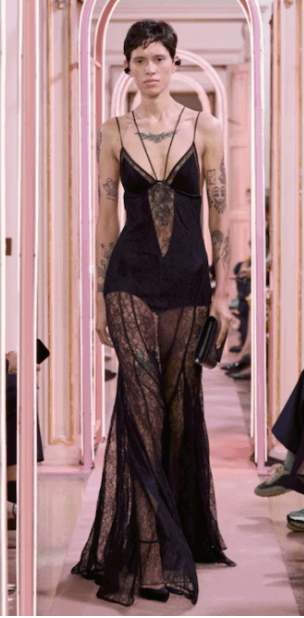
It’s a weird balance where everything is either structured and put together or intentionally effortless, like you didn’t even try…even though we all know it took you a hot minute to come up with it.
What’s Going on With Tech
And now there’s technology…one of the scariest sectors to even think about right now. It feels like every time you start to understand something, there’s already something newer, faster, and slightly more concerning replacing it. Like we’re all just collectively trying to keep up without questioning enough what we’re keeping up with.
There’s so much talk around AI verification, trying to prove what’s real online, which somehow makes everything seem less real. And then you have things like Ulta’s AI manicures…which is just the perfect example of all of this.
Instead of picking a color style based on what we actually like, we’re now bringing color theory to our hands…which feels a little excessive. What matches our tone, our vibe, our aesthetic. And it’s supposed to feel personalized, but it almost feels like the opposite.
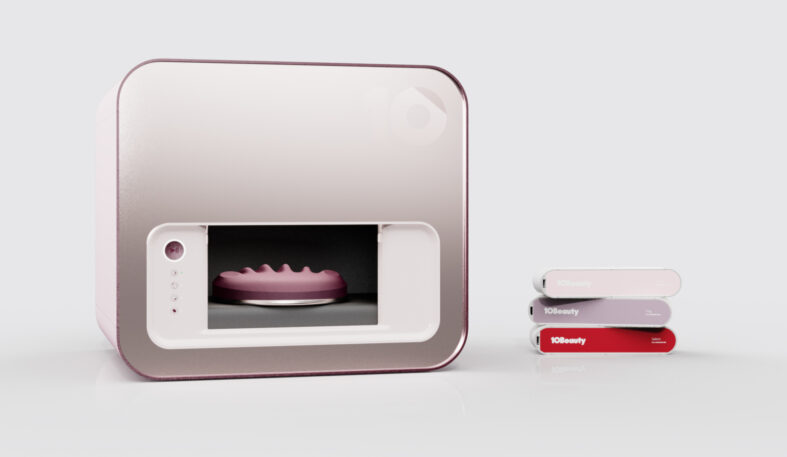
The more specific it gets, the less it actually feels like a choice.
Honestly, it’s not even that bad, just a little strange. Why are we outsourcing even the smallest decisions about ourselves to ARTIFICIAL intelligence?
And now, microchipping is casually entering the conversation again. Which feels like one of those things that should be a much bigger deal than we’re currently treating it. It’s a little controversial, especially depending on how people interpret it, but somehow still becoming normal.

Apple of course drops something like the Neo, another sleek, hyper-advanced, budget friendly version of the MacBook which makes it way easier to justify getting one. Same clean look, same feel, just slightly more within reach. Finally, the MacBook has become something people can actually have, not just something some people dream about.
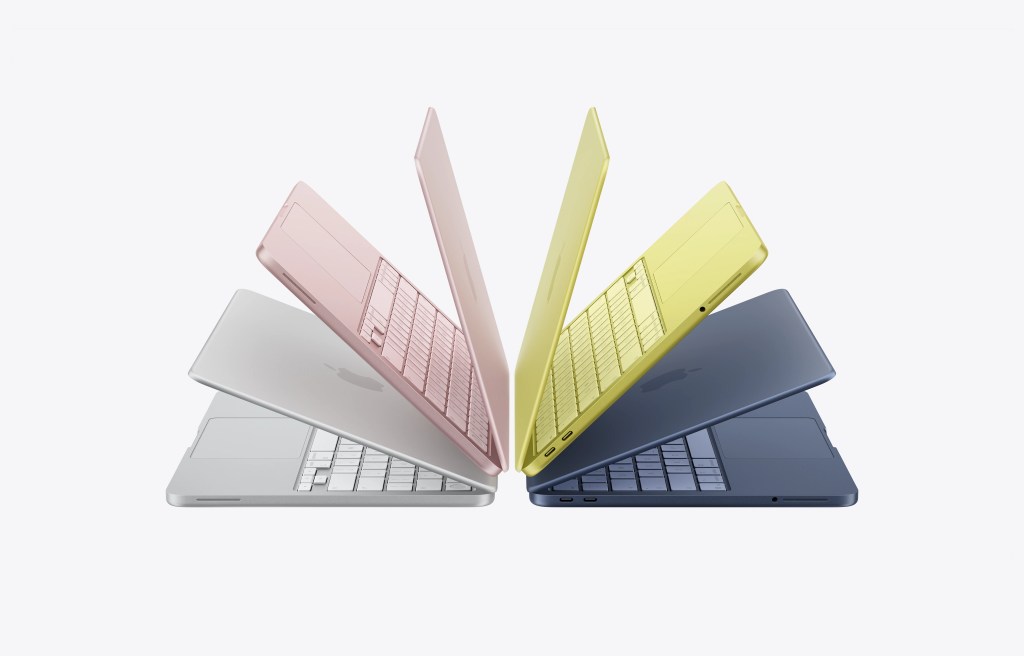
Somehow, the more everything is optimized for us, the less it actually feels like it’s coming from us.
Pop Culture Right Now
We obviously couldn’t forget pop culture…which is somehow struggling with the same thing. Everything is always trying to be everything at once.
Take SYRN, Sydney Sweeney’s new brand, for example. It’s supposed to be all about self-expression, about embracing different sides of yourself. But it ends up feeling a little unclear. Romantic, seductive, playful, effortless…like okay, which one is it?
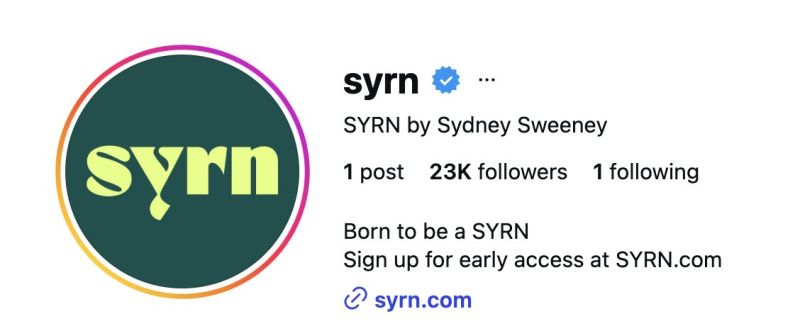
It’s meant to feel empowering, but still leans so heavily into the male gaze, which kind of contradicts the whole idea. And that’s where it gets a little confusing. It’s trying to say one thing, but visually and stylistically, it’s saying something completely different. It’s trying too hard to be too many things at once, without fully committing to any of them.
The return of things like the America’s Next Top Model documentary on Netflix feels similar. It’s not even about revisiting the show, it’s more like…is Tyra Banks trying to win people back, or is the check inflow just needing a little dusting?

And then, there’s the Oscars, which are supposed to feel like the standard, the final say. You have films like Paul Thomas Anderson’s One Battle After Another dominating with six awards, or Micheal B. Jordan finally winning Best Actor for Sinners, something people have been saying was overdue for a while…at least depending on who you ask.
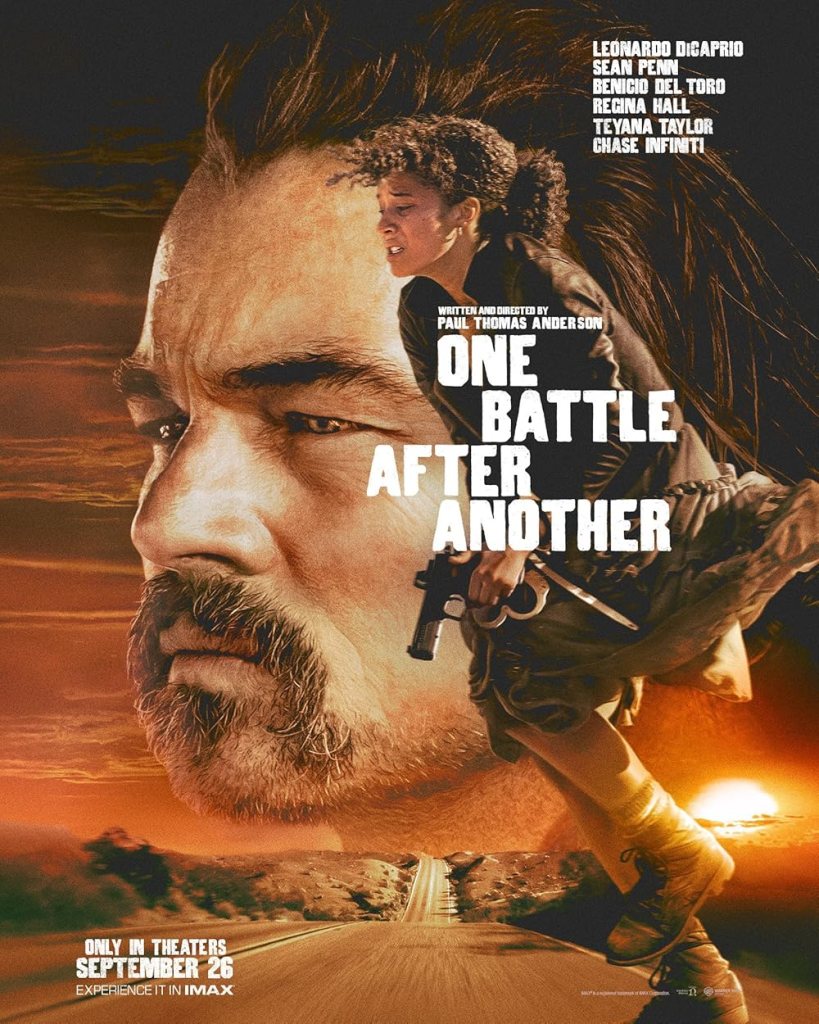
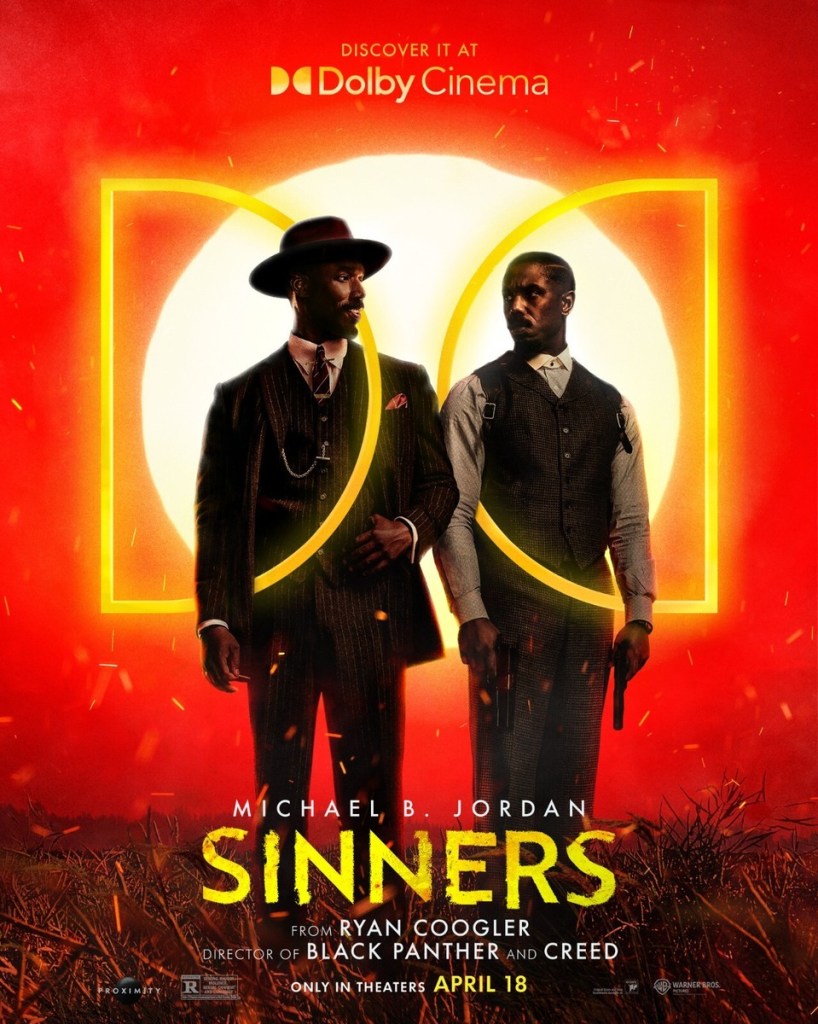
But even with those big moments, it just doesn’t feel as definitive as it used to. What matters, what gets recognized, all feels like it’s shifting.
What Art Is Turning Into
Art is beginning to feel a little less stable right now. Not necessarily in the work itself, but in what it means and who gets to define it.
With things like Banksy’s identity potentially being revealed, it kind of takes away from what made the work so compelling in the first place. The anonymity was part of it, and once that is taken away, the work starts to feel a little different too.
And with artists like Keith Haring, there’s this conversation around whether his work has been “sanitized” over time, whether something that once felt bold and disruptive is now being softened to fit a different audience.
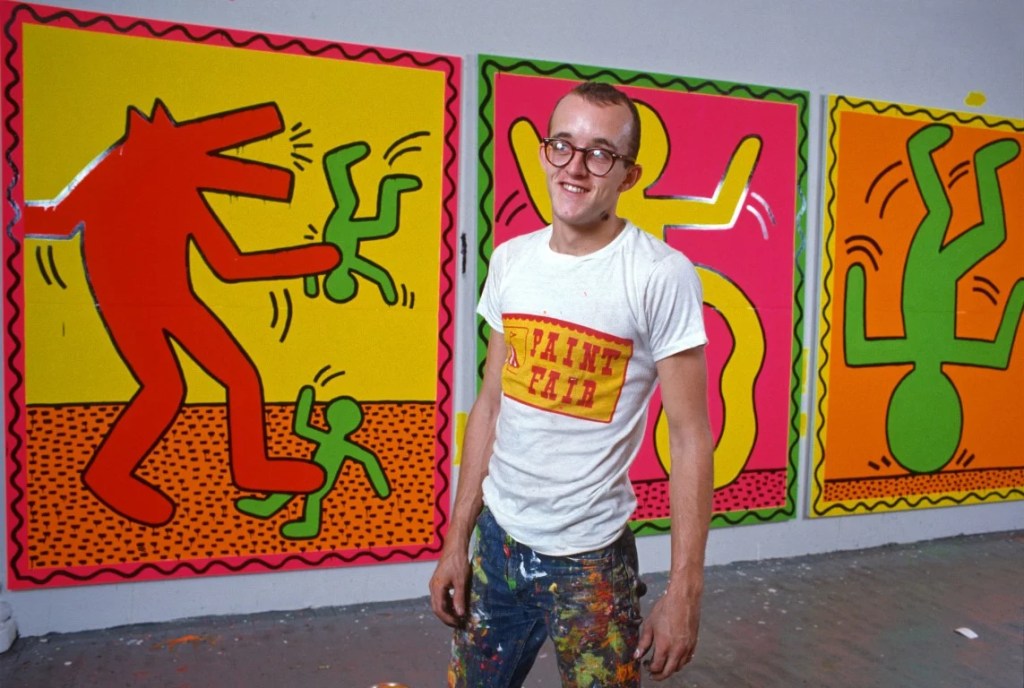
The works aren’t even the things that are changing but the way we’re allowed to experience it is.
And then you have situations like missing Picassos and legal battles over ownership. Where it becomes less about expression and more about control, value, and who gets to claim it.
It just feels like meaning changes depending on who has control over it.
Maybe that’s just where things are right now. Nothing feels fully set; not style, not meaning, not even what feels real. Everything is sifting, adjusting, being reworked in real time. And instead of having it all figured out, we’re just…kind of going with it.