Categories
Culture Check-In

Culture Check-In: Transitional Period

By: Serenna Sousa

The shift into winter is usually when everything settles and stiffens, but this year the change in seasons feels more like a thaw; everything loosening, reshaping, and moving at once. Across art, tech, fashion, and culture, familiar systems are melting down and reforming into something new. What we’re watching isn’t just trend rotation, but the beginning of a cultural swap-out, a quiet dismantling of old rules, and the emergence of a new framework taking shape beneath the surface.

After the cozy maximalism and tactile warmth of fall, when chunky knits, lived-in interiors, and analog imperfection reigned, we’re heading into a winter stripped of old formulas and ready for reinvention. The same energy that had us trading sterile minimalism for messy character is now reshuffling our cultural deck entirely.

In this edition of Culture Check-In, we’re zooming out: not to chronicle isolated trends, but to catch the pattern beneath them. Because 2025 isn’t just another year of shifting style; it’s a turning of the page for everything we thought we knew about status, taste, identity, and what counts as “in.”

Patrons, Power Plays

The art world is continuing to be shaken up. With the passing of Leonard Lauder and Agnes Gund, two of the last “if-they-liked-you-your-career-was-made” patrons, the entire system suddenly feels up for grabs. Their absence raises a real question: who steps in now? Tech billionaires? Decentralized collectors? The guy who dropped millions turning a banana into a hedge fund? Whoever it is, they’re about to redefine taste, money, and the overall power map.

Women artists, meanwhile, are still undervalued at auction, a phenomenon the art world continues to act surprised by. We love to shout “the future is female,” while the auction block just shrugs and says, “Anyway,  here’s a man who painted a blue square in 1961 for the price of a brownstone.”

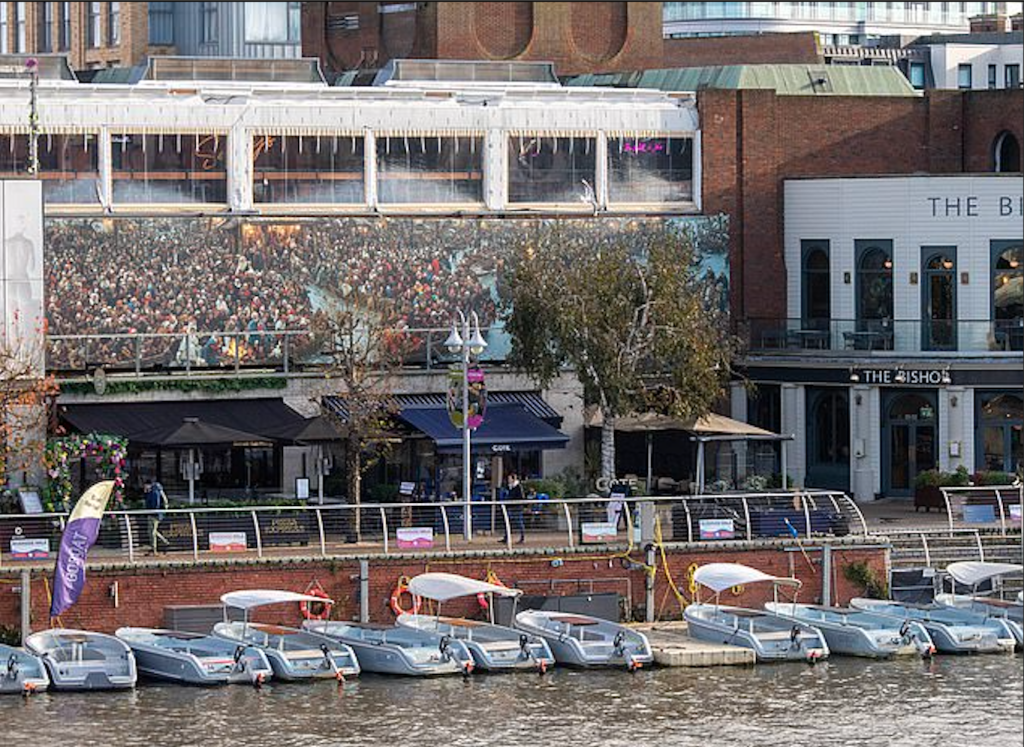
AI is also always testing our sanity. I RUN, the AI-generated song more than half of the internet fell in love with, proves we’re going to keep falling for robots with good marketing until we collectively get our act together. And with the VR world now full of digital “degenerates” sitting around chatting like it’s Club Penguin After Dark, plus the UK’s unsettling AI-generated Christmas mural haunting pedestrians, it’s clear that the fight for “real” is getting weirder by the minute. Are we okay?

Miami Art Week kept the chaos alive, with Art Basel leaning into its “Second Nature” theme. And over at the Met Gala, with this year’s theme centered on costume art, it’s hard not to ignore that Bezos is footing the bill, which naturally leads us to the annual reminder that money buys anything, including the illusion of taste.

Meanwhile, the Frida Kahlo painting that hit an eye-watering price tag had everyone asking the same thing: she literally despised capitalism…so what would she say watching her face become a tradeable asset? The irony is a little too loud.

Microtrends, Megachaos

By the time a trend reaches your cart, it’s already obsolete. Microtrends are burning out so fast, thanks to fast fashion, that by the time you finally cave and buy something, TikTok has already declared it “cheugy,” “trauma-coded,” or “out.” The cycle is so aggressive it’s basically a sprint, and everyone’s exhausted. We’re living in trend inflation–too many, too fast, none of them lasting long enough to matter.

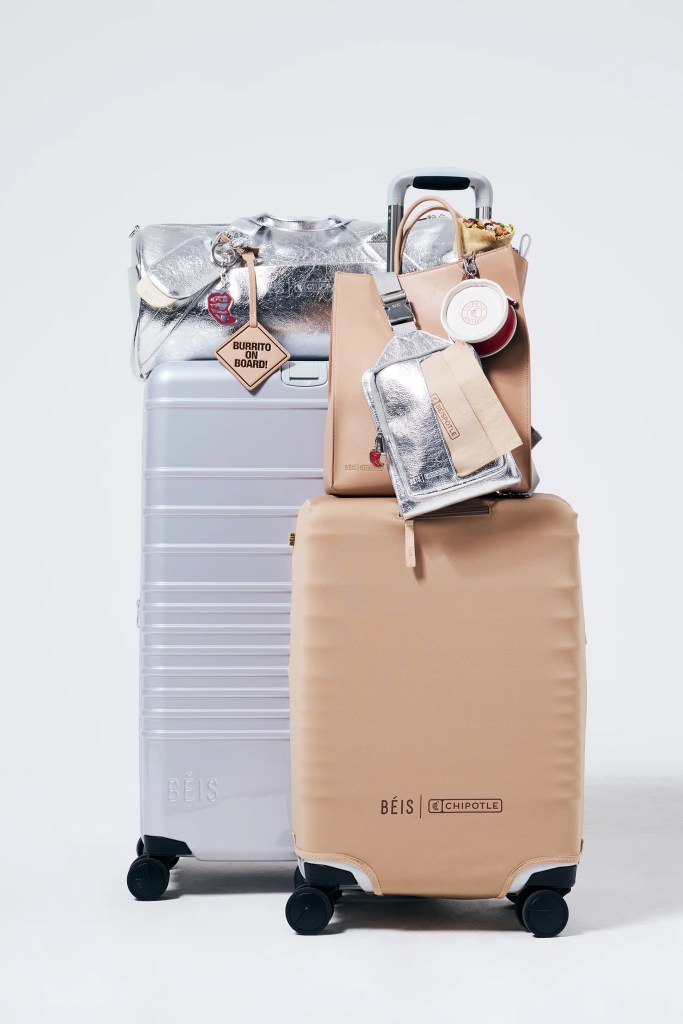
Even brand collaborations feel like microtrends. The Beis × Chipotle collab is less “strategy” and more “internet joke,” and I’m honestly just curious how much Chipotle paid to be in on it. 
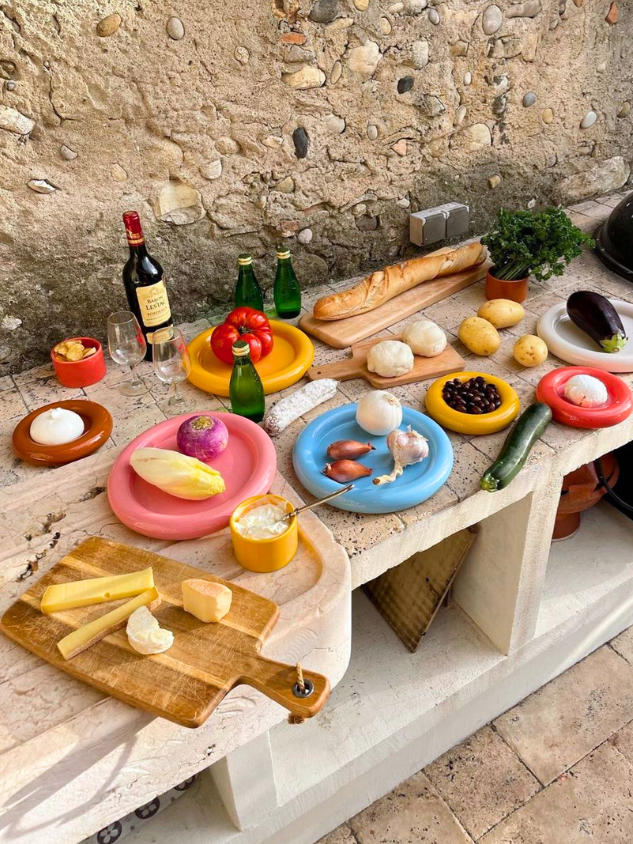
Image: BÉIS X Chipotle collaboration, courtesy of BÉIS

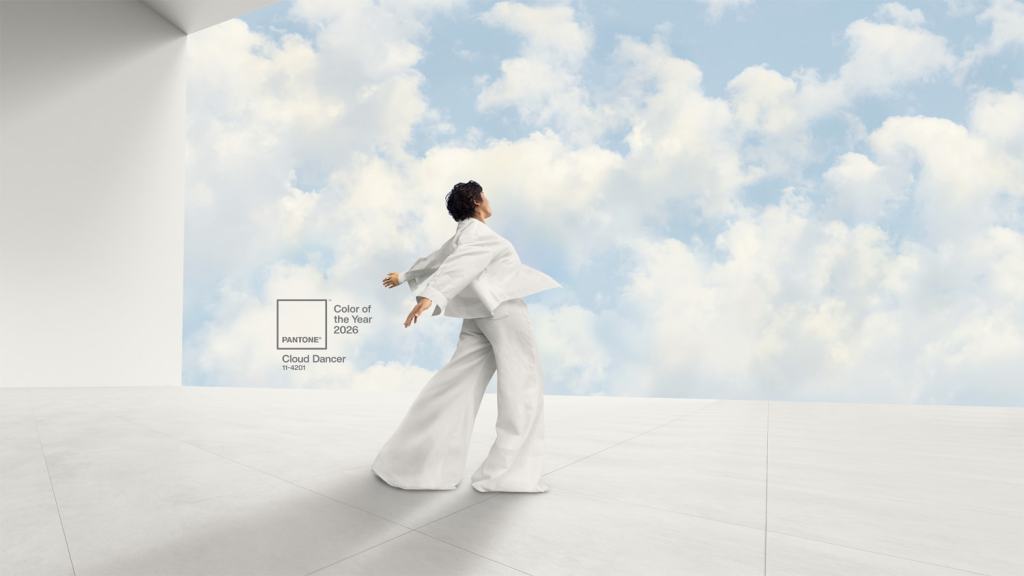
Pantone’s Color of the Year, Cloud Dancer, has been surprisingly controversial because of it’s simplicity. Its softness and near-absence have split opinion, with critics calling it boring or evasive and others reading it as intentional restraint. Soft, pale, and almost unwilling to perform, Cloud Dancer feels less like a trend and more like a quiet refusal, signaling a collective craving for neutrality after aesthetic overload.

Meanwhile, luxury is quietly being replaced by mid-market. The new status symbol is no longer a four-figure bag, but instead it’s looking like you tried to look expensive. Brands like Reformation, Aritzia, The Row, Ganni, and COS have become the new “don’t worry, I have taste,” which is ironic because their price tags still make your credit card cry. Eco-friendly fashion is still priced like you’re paying for a college course, so younger shoppers keep bouncing between thrifting, closet “shopping,” and buying one impossibly nice top and pretending it’s sustainable.

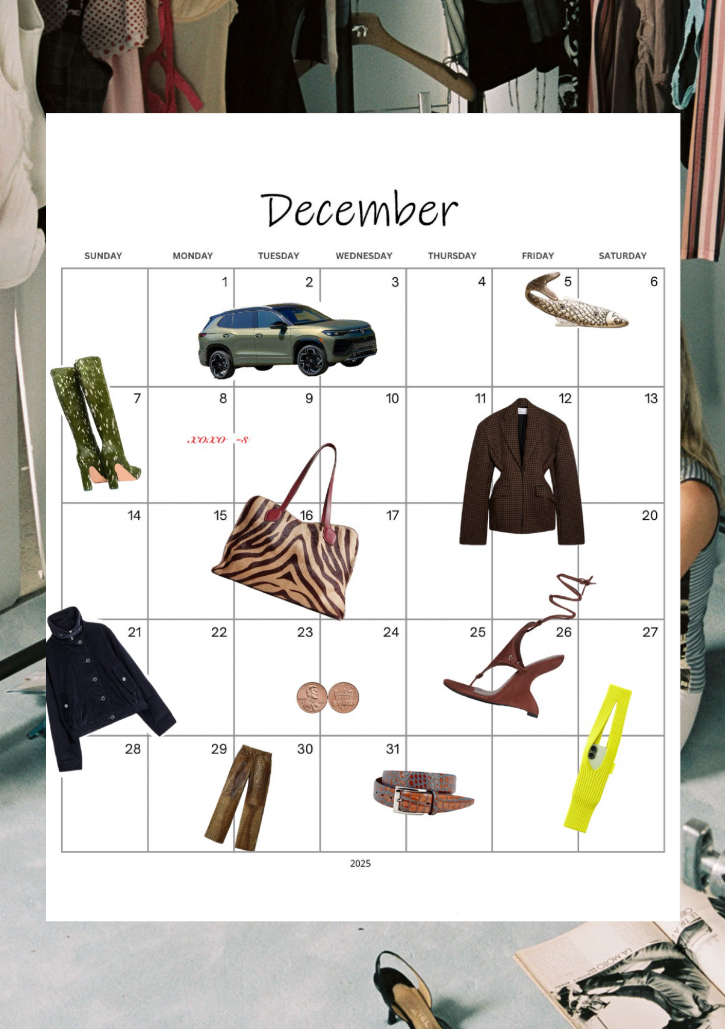
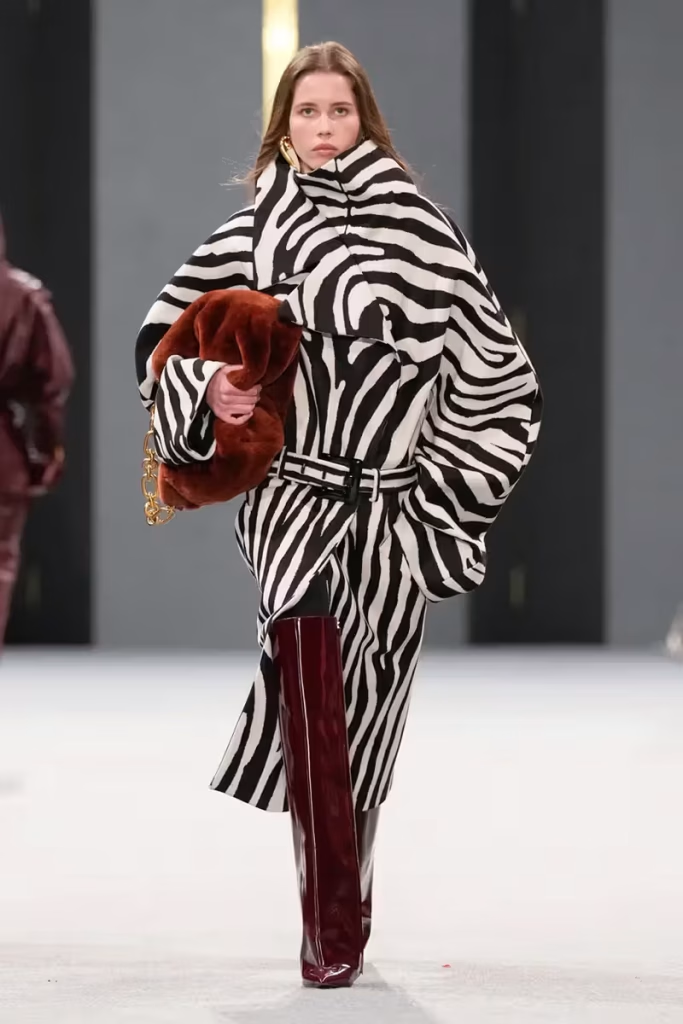
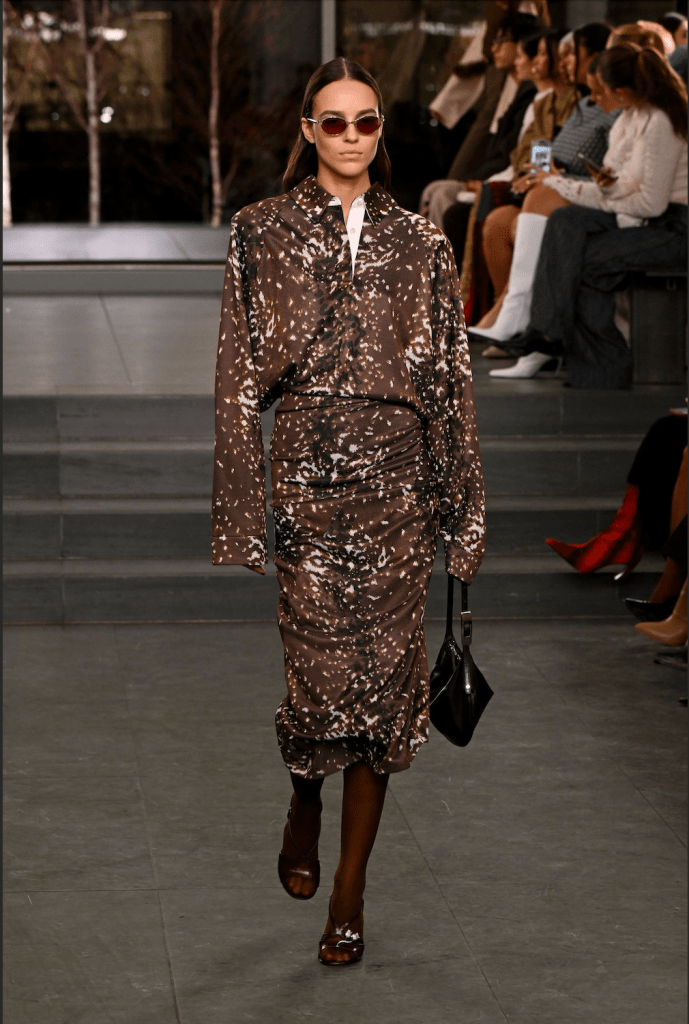
Prints are having their own identity crisis. Every year, we latch onto one animal print to save us, but this winter it feels like they all showed up at once: snake, crocodile, zebra, cow, and a suspicious amount of pony or deer hide creeping in through embossed textures. It feels like “the zoo escaped, but make it chic.” And with western accents slipping into everything from jackets to your mini-skirts, plus hints of acid-wash, it’s obvious we’re constantly craving the comfort of authentic, sturdier aesthetics because deep down we might be dissatisfied with where fashion keeps dragging us.

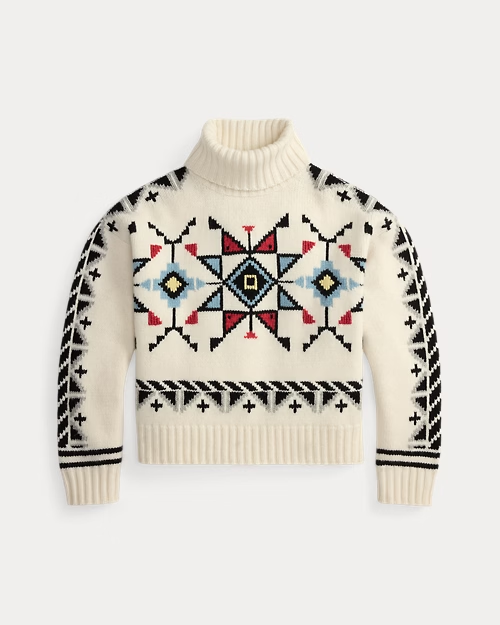
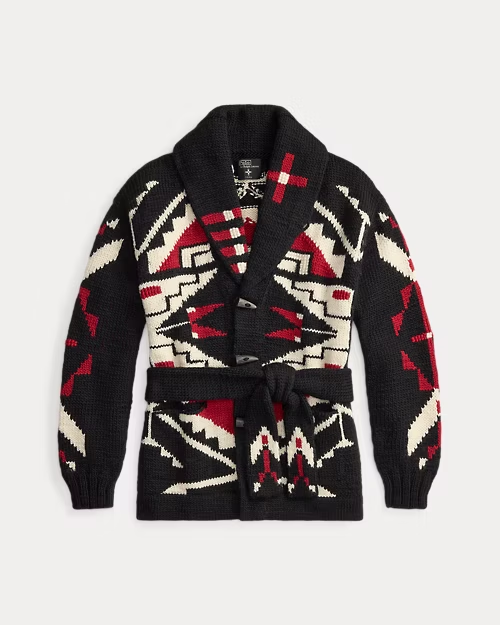
Textile mixing is everywhere, and the Ralph Lauren effect is real. Styling authentic pieces in unexpected ways is what keeps the RL identity alive. Ralph has undeniably recognizable iconic pieces like the riding boot, varsity bomber jackets, souvenir jackets, rugby shirts, skins, western accessories, and tailored pieces. Since, RL doesn’t chase microtrend chaos (they actually know who they are), their latest artist and residence collaboration with TÓPA didn’t just look good; it set a new creative bar for what heritage design should be.

And for shoes…where do we even begin? New Tabi boots with actual glass (only 25 pairs because your insurance wouldn’t cover them), convertible loafers (convertible into what? the unknown), glove-like ballet flats gripping your feet like they’re in love with you, slipper mules that look like elevated Boston Birkenstocks (they’re already in my cart), and wedge heels that feel less like footwear and more like wearable sculpture. Art, but on your feet, giving Foot Finder even more material to work with, unfortunately.

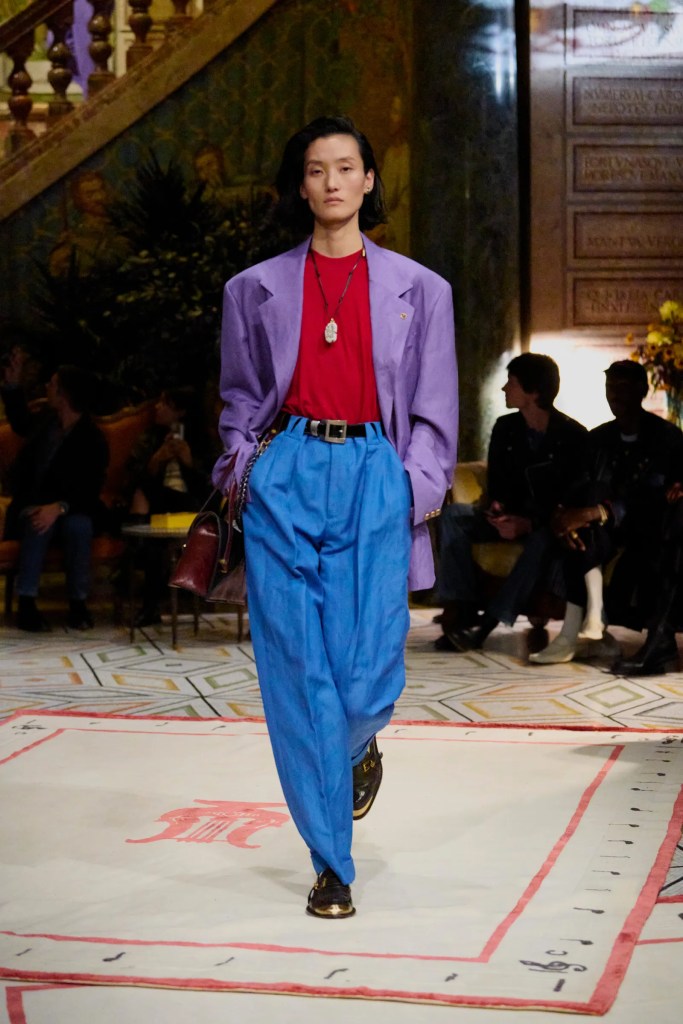
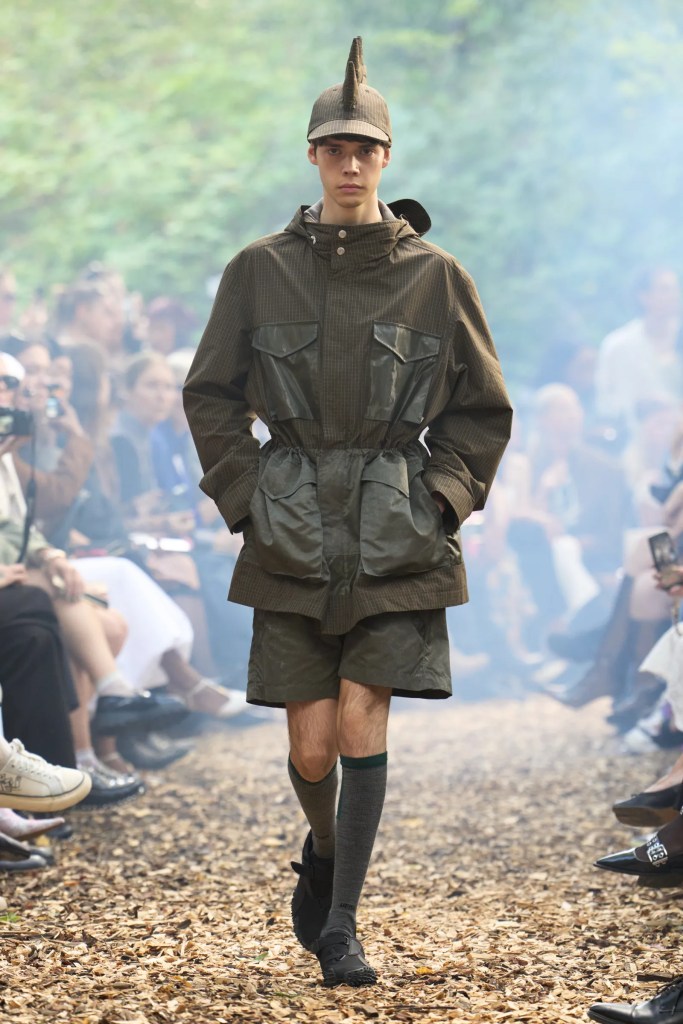
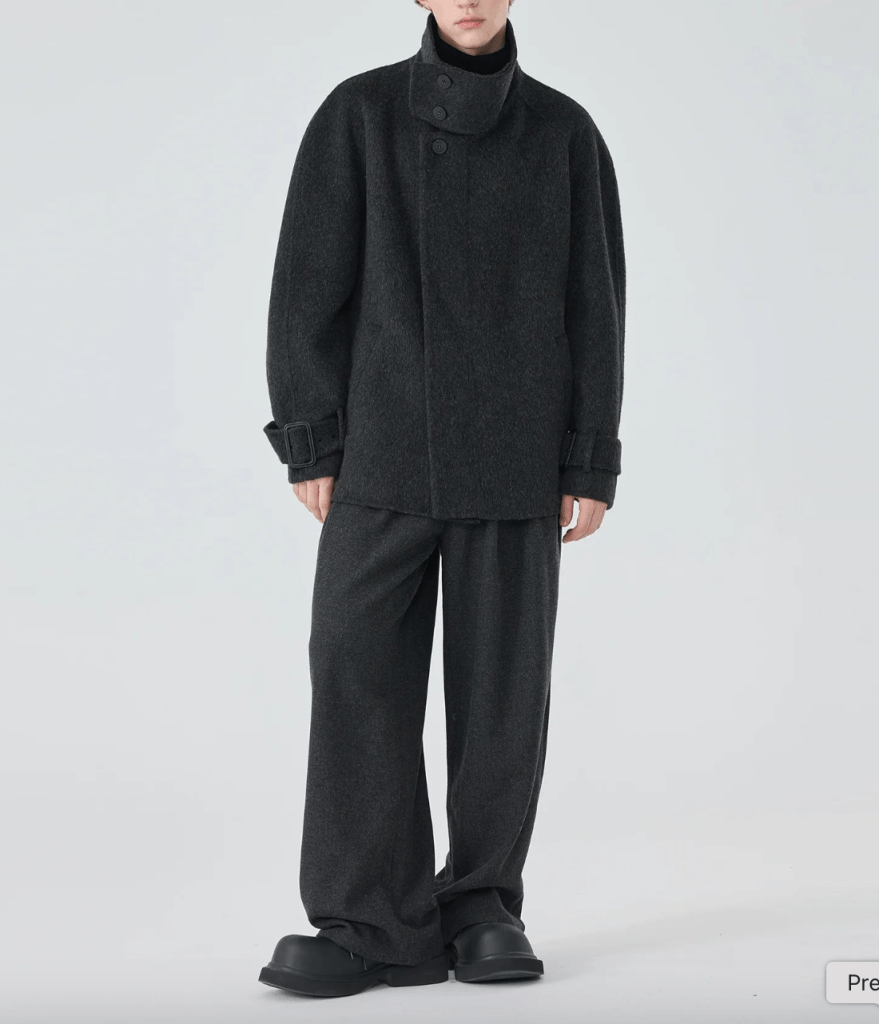
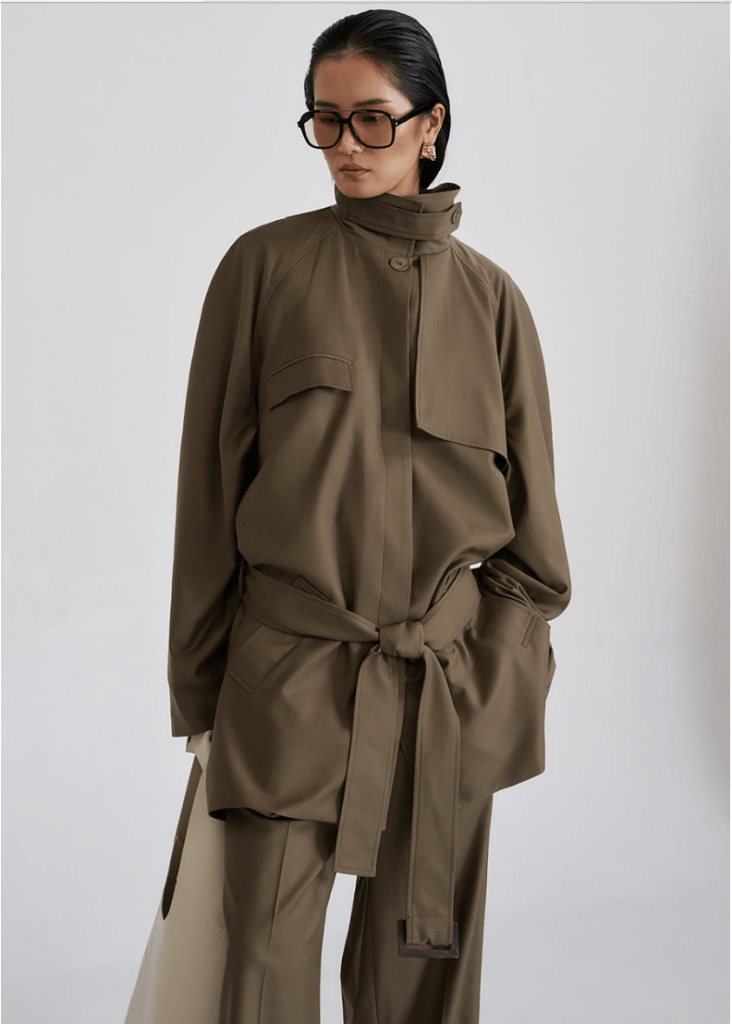
Structure-wise, the clothes are absolutely wearing us again. Exaggerated hips, curves engineered back into silhouettes, trenches with belts dropped so low, jackets with collars so dramatic they practically qualify as air vents. Funnel necks and stand collars have us one popped-lapel away from looking like a coven of fashion-forward vampires roaming the streets.

Accessories are also having a moment of personality disorder: ascots replacing knot scarves, leather gloves giving every outfit a “mysterious widow” vibe, pouch pendants that still make no sense, and doctor-style handbags walking around like they’re diagnosing the rest of our outfits.

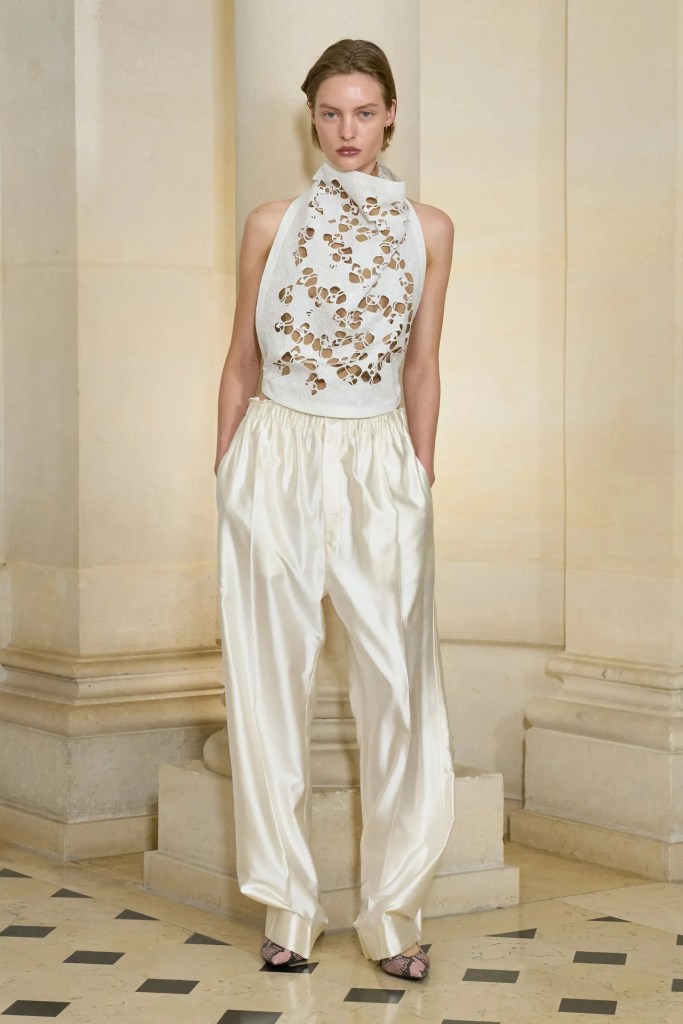
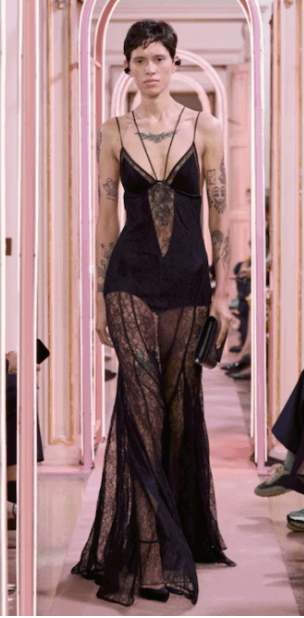
The chaos of fashion right now is unhinged with crazy silhouettes and trends that feel like a collective experiment. We didn’t sign up for it, but needless to say, we’re enjoying it anyway.

Culture, Reframed

The examples are varied, but the pattern is familiar. Prada casually decided to buy Versace, basically the fashion equivalent of your ex dating your enemy. Meanwhile, the owner of MANGO passed away under circumstances questionable enough that the internet didn’t even hesitate before asking: Did his son do it? The theories weren’t pulled out of thin air either; enough odd details were swirling around that the true-crime side of TikTok practically sprinted onto the scene. 

And Shein somehow managed to outdo itself with those child-like SA dolls; a launch so baffling and upsetting it sparked instant protests and demanded real accountability. And Timothée Chalamet’s bizarre Vogue cover didn’t help the cultural dizziness; equal parts editorial, fever dream, and “Wait…was this AI too?”

Speaking of emotionally confusing releases, Taylor Swift’s “Ophelia” dropped and sent the internet into a spiral of literature analysis, feminism discourse, and whatever corner of the fandom currently pretends they’re English majors. It was a cultural event, whether or not anyone actually understood the references.

Disney announced the creation of AI-generated content, and DC Comics immediately fired back, saying they’ll never touch AI for storytelling. So who’s right? Who’s wrong? Probably both, but the bigger picture is that nostalgia is becoming raw material for whatever AI wants to spit out next.

Over in D.C., the White House is undergoing construction to add a ballroom, yes, a ballroom, which somehow requires removing the Office of the First Lady. Nothing screams American politics like making room for a dance floor by eliminating a woman’s workspace.

And finally: the last penny. The U.S. minted its final batch, officially retiring Lincoln from your couch cushions. A soft farewell to the coin that cost more to make than it was actually worth.

Tech, Rewired

The new Volkswagen Tiguan is also getting attention for its upgraded tech, including an automated lane-change feature as part of the IQ.DRIVE Travel Assist system. It’s not self-driving, but it’s close enough to feel futuristic: the car offers lane centering, adaptive cruise control, and even helps initiate (or sometimes perform) a lane change when there’s a safe gap. It’s a controlled, safety-conscious system that hints at where mainstream car tech is heading next.

Meanwhile, 6G is already being teased even though most of us aren’t convinced 5G ever actually worked. But sure, let’s go faster. Why not.

“SaaS beyond software” is the new buzz phrase floating around tech circles, essentially meaning that everyone is trying to turn physical things into subscription services now, with AI wedging itself into every step of that process. Your car, your fridge, your vacuum, even your appliances are suddenly “smart” and “personalized,” which is code for: one bad idea from needing a login and an AI buddy you never asked for.

Apple also released the iPhone pocket sling, essentially a $150 sock for your phone, designed by Issey Miyake, the same person behind Steve Jobs’ turtlenecks. Amazing pedigree, questionable price tag.

However, I would say the coolest innovation of the season comes from UC Santa Barbara, where researchers created a new haptic display technology that lets you feel on-screen graphics. Tiny pixels expand into bumps when illuminated, meaning animations can be seen and touched. Screens are no longer flat; they’re becoming physical. The line between the digital and the tangible is fading, which is either the future…or the start of a very complicated era of screen-related crimes.

Tech keeps promising a smarter world, but mostly it’s just finding new things to “optimize.” At this rate, if next winter’s innovations start asking us to tip, that might be where I draw the line.

Interiors, Evolving

On the home front, open-concept layouts are finally falling out of favor; people want actual rooms again. Separate spaces feel safer, calmer, and more intentional. Design-wise, brown kitchens, honey oak, and fun-shaped hardware are taking over, along with those blue-and-white antique tiles that make every bathroom look like a Mediterranean Airbnb (in a good way). The overall mood seems to be warm, lived-in, and anti-minimalist.

Zip Codes, Shifting

The real estate landscape has developed some surprising new favorites. Fort Worth, Jersey City, Miami, and even Cleveland are emerging as surprising hotspots; a lineup so varied it feels a little randomly generated. Affordability, job mobility, and the search for more space are driving people toward cities they had not considered a few years ago.

Odds & Ends

Food trends are getting quirky again, with swavory and swangy flavors everywhere; sweet meets savory, sweet meets tangy, and somehow it works. Biophilic design continues to shape interiors with an increased emphasis on plants, natural textures, and calm, earthy environments. And “intentional content consumption” is quietly replacing doomscrolling as everyone tries to curate their media diet as if it’s self-care.

If nothing else, winter is ushering in a world rearranged. Old norms fade, new ones appear, and the landscape keeps shifting faster than we can name it.

Categories
Culture Check-In

Fall Culture Check-In

Welcome to Culture Check-In, a recurring column that captures what’s trending right now across fashion, design, and culture. Every few weeks, I’ll dive into the styles and aesthetics dominating social media, runways, and everyday life, from rising color palettes to viral accessories. The goal is to document what’s “in,” trace emerging patterns, and explore how these quick-turn trends reflect and reshape the larger cultural landscape.

By: Serenna Sousa

This season, the world feels both softer and louder, like everyone collectively decided to calm down and overdo it at the same time. After years of sterile minimalism and beige everything, we’re finally craving texture, humor, and proof that a human (not an algorithm) is behind it all. Fashion, interiors, even dishware are embracing imperfection and personality; chunky, colorful, lived-in, and proudly a little extra. It’s less about looking polished and more about proving we still have a pulse.

Fashion & Aesthetic Trends

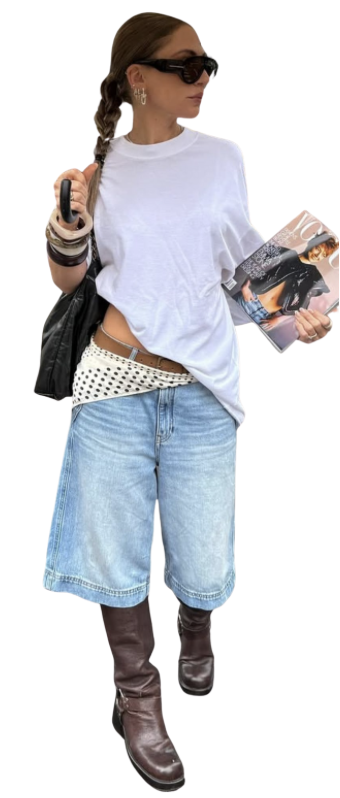
Trendy Pieces: Style right now has weight…literally. Structured woolly hats have replaced floppy beanies, and tall boots have returned as the anchor piece of fall wardrobes. The humble capri, or what I like to call “highwaters,” is having an unexpected renaissance, styled deliberately with a cute pair of kitten heels. There’s definitely some playfulness in how people are dressing right now; waist scarves that move in every direction, blazers with softened structure, and jewelry that’s expressive, like mini pieces of art. The era of tiny sunglasses is over; big, rounded aviators have taken their place, bringing back a bold, cinematic look.
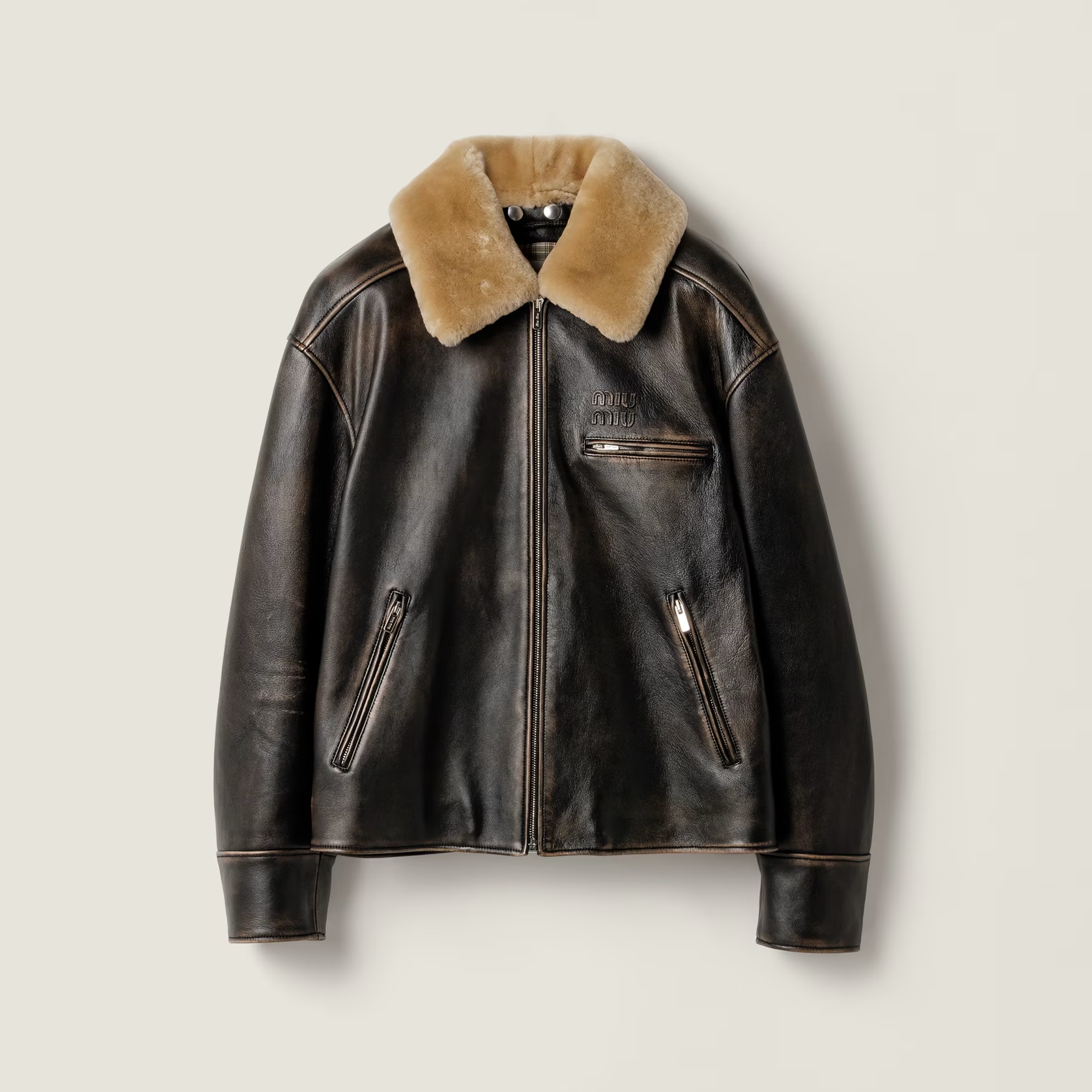
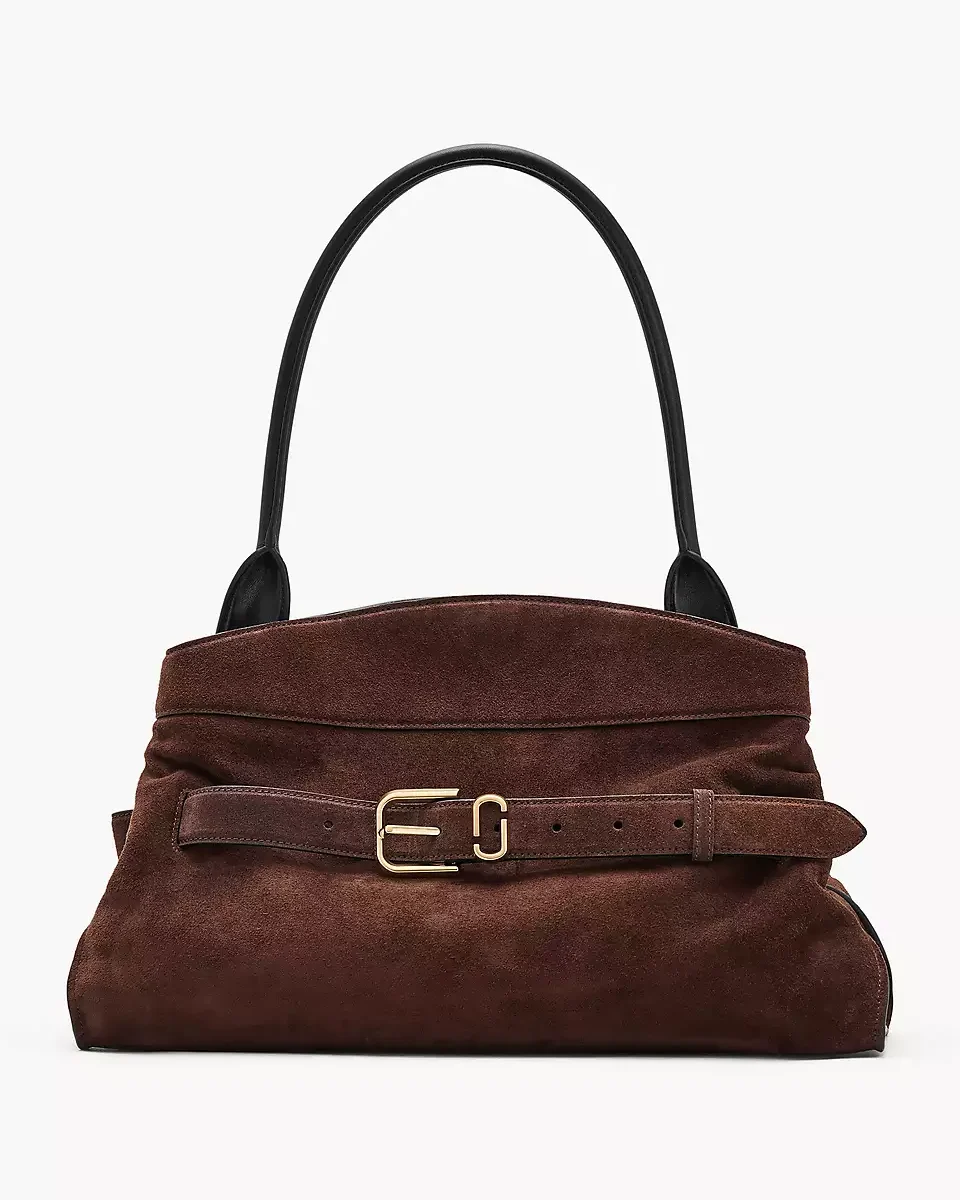
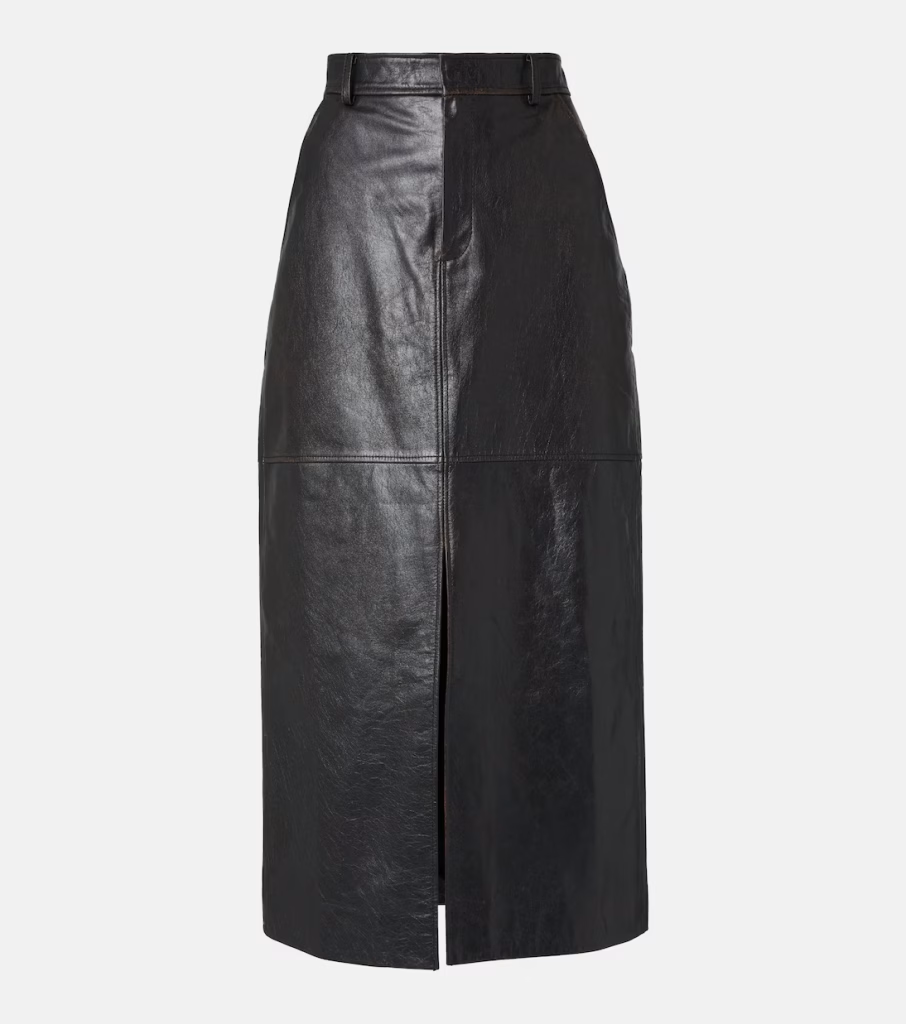
Textures: This fall, fashion is about feeling as much as seeing. Suede is everywhere: on jackets, skirts, and accessories, bringing back that 70s feeling. Fur returned, but now in moderation: a trim on a sleeve or a collar, no longer screaming luxury but now more of a whisper. And then of course there’s still leather, specifically leather skirts, the elevated and sleek evolution of the leather pant. Once reserved for a night out, but now more of an everyday staple. Together, these materials feel more grounding in an increasingly digital world.

Lifestyle & Design

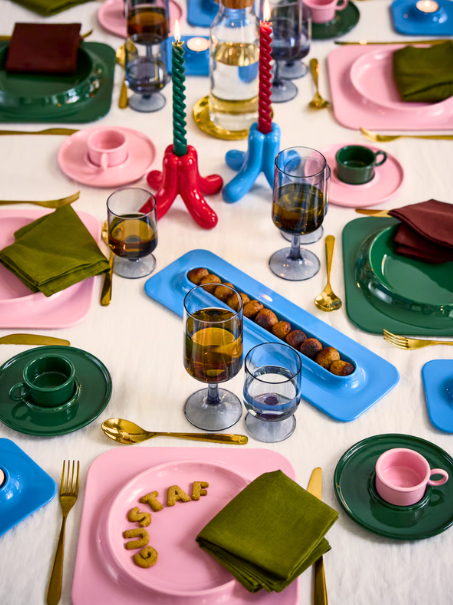
The shift toward tactility and expression is also shaping interiors. Maximalist dishware, chunky, colorful, and unapologetically impractical, is dominating home life. Every dinner table is beginning to look like an art project. Meals have become optional these days; it’s all about how good your plate looks on camera.

With all of these interiors getting louder, relationships are getting quieter. In her viral Vogue essay “Is Having a Boyfriend Embarrassing Now?”, Chanté Joseph captures a strange new etiquette of public intimacy, one defined by soft-launches, restraint, and irony. Love, like design, is curated. It’s not that the romance has disappeared; it’s that the commitment has to be styled correctly to avoid cringe. But the point isn’t that having a boyfriend is embarrassing: it’s that your identity shouldn’t disappear into the relationship. Be the girl who happens to have a boyfriend, not the girl whose whole personality is her boyfriend. The goal isn’t to ever be someone’s girlfriend; it’s to be yourself, and you just happen to have one. Being single isn’t a waiting room anymore; it’s a privilege to exist in a time when women can build, buy, and be everything on their own. Having a boyfriend isn’t a goal; it’s an addition, something that fits into your life, not something that defines it. It’s a partnership built on choice, not dependence. You’re not waiting to get chosen…you’re doing the choosing. And in a culture obsessed with image, performance of detachment has become its own aesthetic, where emotional transparency feels riskier than any bold pattern or paint color.

Meanwhile, the cracks are showing, literally, in the old aesthetic ideal of minimalist luxury. 432 Park Avenue, once the ultimate status symbol of wealth, has become a cautionary tale: flooded elevators, creaking walls, and lawsuits between billionaires. 432 Park was built to outlast taste, but maybe that’s the point…it didn’t. The cultural mood has changed; people want spaces that feel alive, not untouchable.

Art is also reclaiming accessibility. The Bob Ross Foundation recently announced it will donate 30 original paintings to support public television, a full-circle moment for an artist who built his career on the belief that creativity belongs to everyone. In an era where art is increasingly treated like an investment portfolio, Ross’s philosophy feels rebellious. His gentle optimism, that anyone can paint, anyone can make something, reads less like nostalgia now and more like a challenge: what if art were truly public again?

Technology & Culture Collide

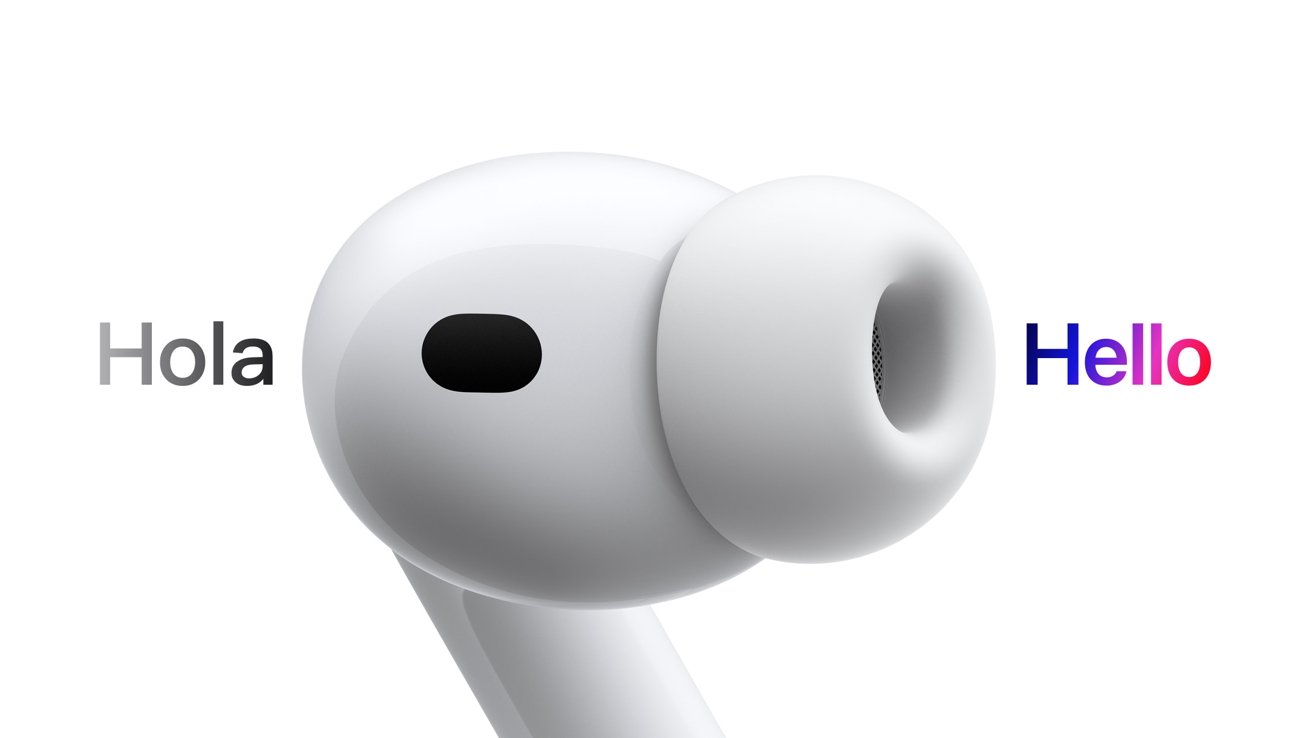
In a time of excess, technology insists on subtraction: smaller devices, fewer buttons, less noise. Apple’s new thinnest iPhone ever, the iPhone Air, carries on the company’s legacy of minimalism, forever behind the curve on creativity, yet perfectly aligned with the culture’s Ozempic obsession. Meanwhile, translation-enabled AirPod Pros hint at a world where language divides dissolve in real time. Finally, we can all understand each other…which means terrible news for nail salons.

Then there’s the AI necklace, a device marketed as your “friend,” designed to converse, advise, and keep you company. New Yorkers began tearing down its advertisements, calling the concept absurd, but the creator seemed delighted by the outrage. Maybe that was the point: to provoke reflection on our increasingly parasocial relationship with machines. The same question hangs over the Neo home robot: a glossy, wide-eyed companion that remembers your routines, greets you by name, and claims to understand your mood. Should we be building companionships or simulations?

Brand Collabs & Power Moves

Partnerships are running the cultural show as much as runways.

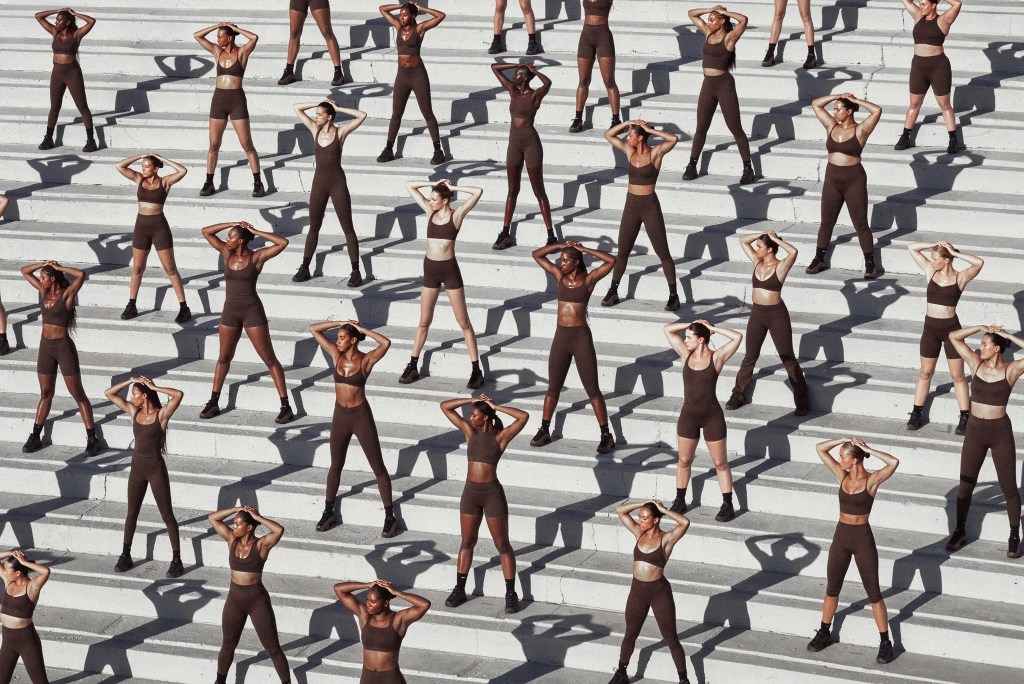
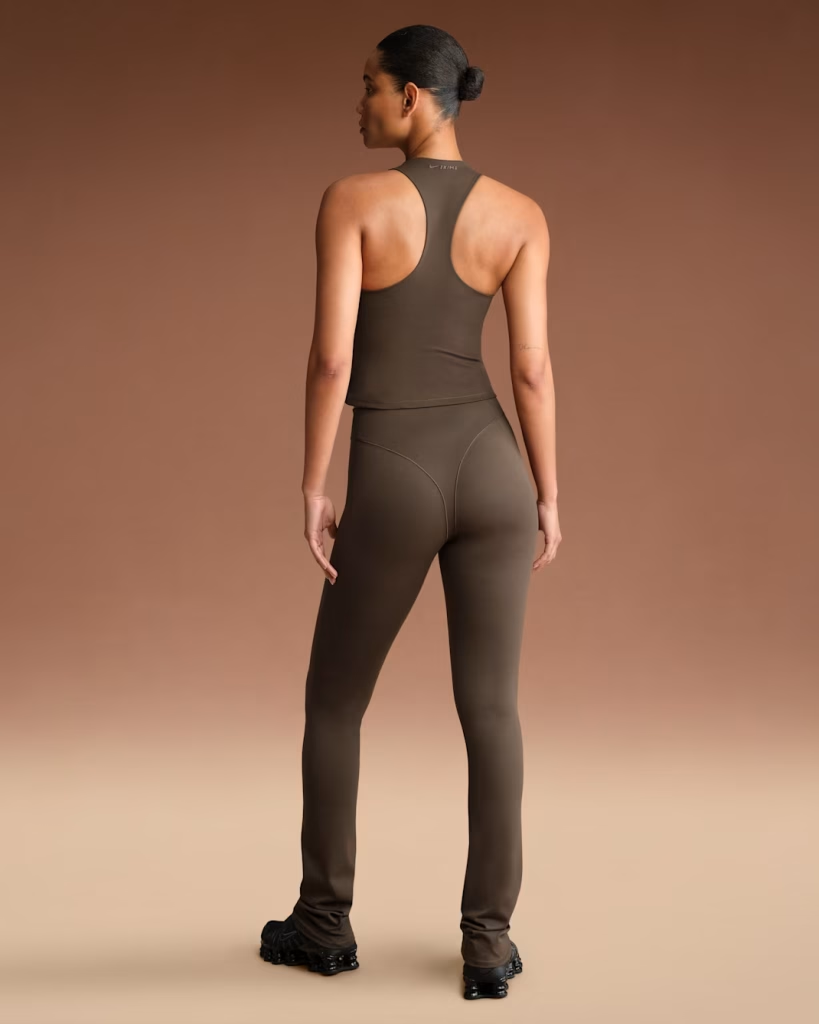
Nike x Skims fuses athletic function with sculptural femininity, reimagining performance wear through a body-conscious, minimal lens.

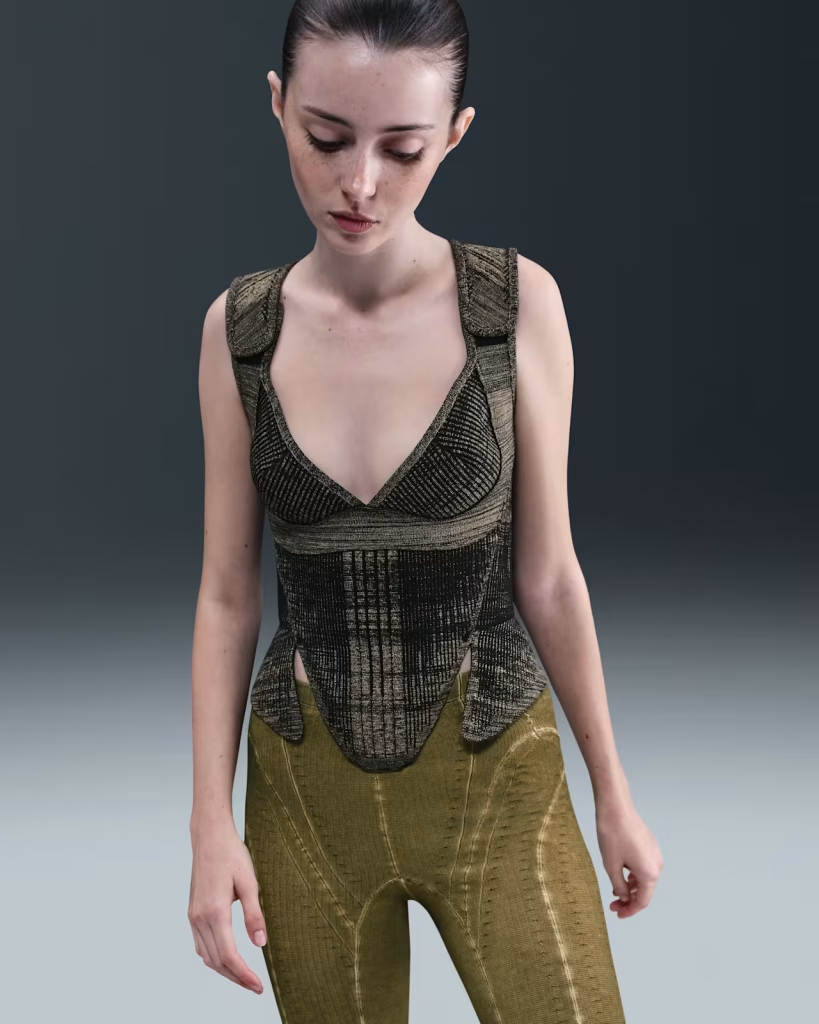
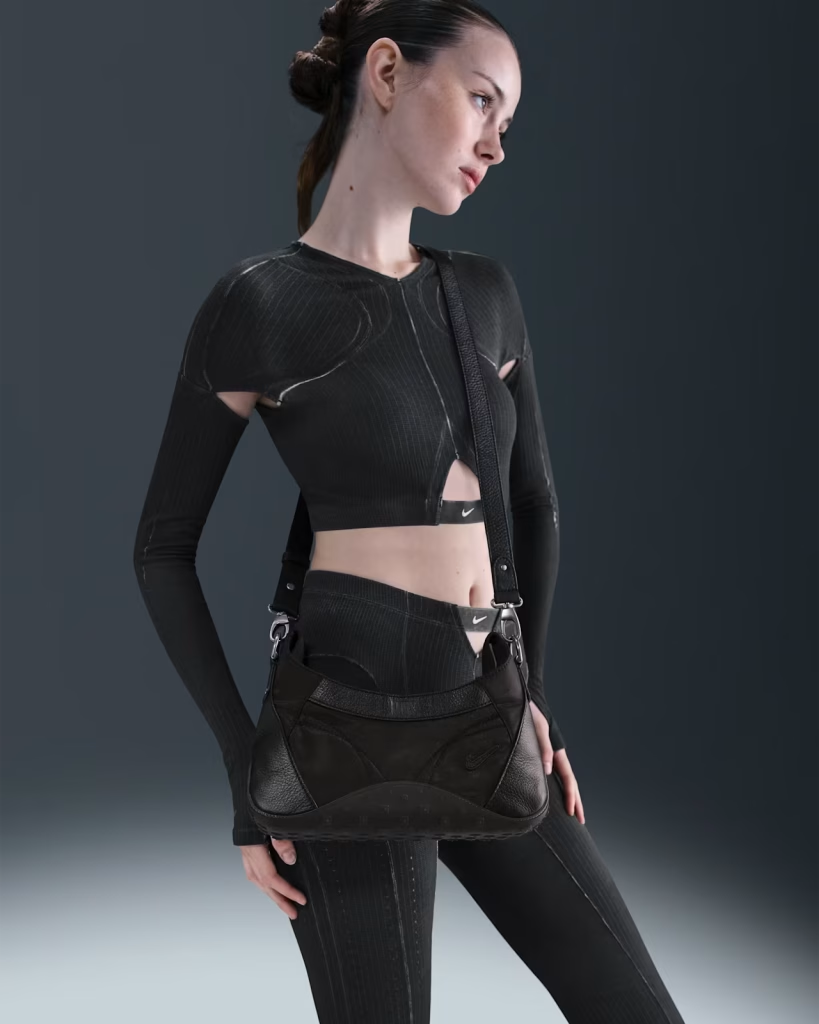
Nike x KNWLS, meanwhile, injects underground edge into performance wear; think corsets as athleisure.

Lululemon’s unexpected link-up with the NFL pushes this crossover even further, bringing luxury athleisure into the arena of mainstream sports culture. If the rumors about Jaden Smith at Louboutin are true, it’s official: high fashion is now taking notes from Gen Z.

Meanwhile, Dior Sauvage keeps dominating as the top-selling scent, a rugged fantasy that somehow still sticks. And the revived Victoria’s Secret Fashion Show has everyone debating: are we being too critical of traditional beauty, or just finally holding it accountable?

Even tiny details carry weight. The Taylor Swift necklace incident, a tiny design choice with surprisingly big historical echoes. It sparked debates about intent, ignorance, and the crucial role of diversity awareness within creative teams. Moments like this are uncomfortable, sure, but they also remind us how closely fashion, art, and identity are intertwined: even a necklace can carry the weight of history.

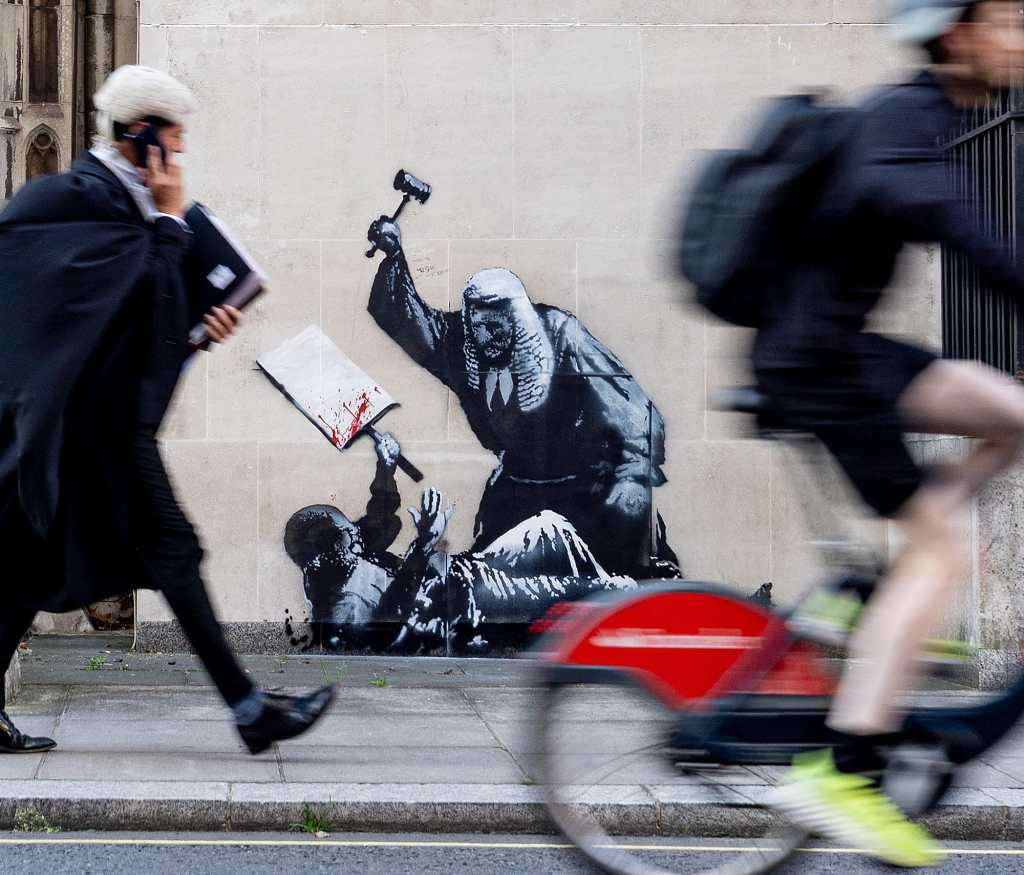
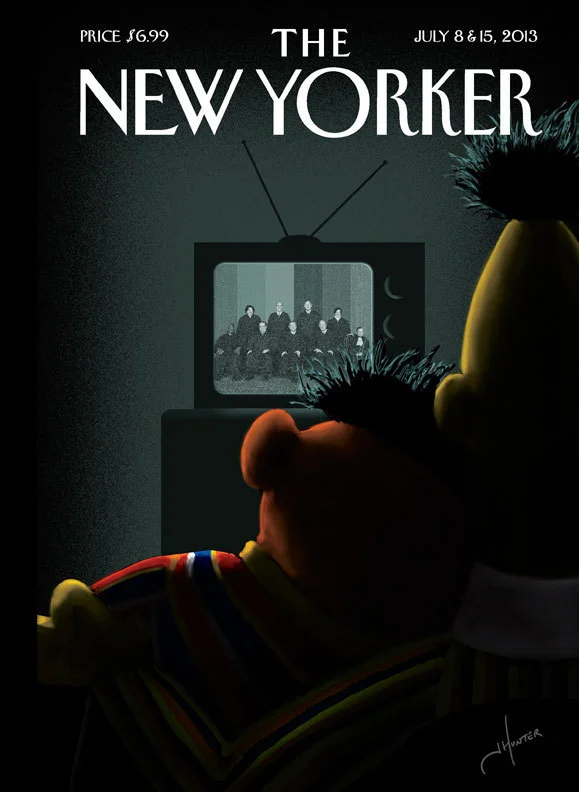
Elsewhere, Banksy’s installation outside London’s Court of Justice blurs the line between activism and satire, proving that street art can still provoke, unsettle, and make you think twice about authority. The New Yorker’s 2013 Ernie & Bert cover, recently honored by The New York Times as one of the most influential magazine covers of all time, shows another side of subtle resistance: quiet, playful, yet impossibly powerful in shaping cultural perception.

Even in media, small shifts signal bigger cultural moments, like Netflix and Spotify bringing video podcasts to streaming, where talk shows now meet algorithms.

Color Forecast

This season’s color story leans grounded and sensual: chocolate brown, deep purples, olive, butter yellow, and sharp chili pepper red, emerging in the place of burgundy. There’s always the subtle sophistication of blue and brown together, a pairing that always feels modern and effortlessly chic. These tones are more subtle but not just seasonal; they definitely have our attention.

The past few years have been about restraint and minimalism to the max, but now we’re finally leaning into touchable textures, oversized shapes, and artful details that aren’t just an aesthetic preference.