


Welcome to Culture Check-In, a recurring column that captures what’s trending right now across fashion, design, and culture. Every few weeks, I’ll dive into the styles and aesthetics dominating social media, runways, and everyday life, from rising color palettes to viral accessories. The goal is to document what’s “in,” trace emerging patterns, and explore how these quick-turn trends reflect and reshape the larger cultural landscape.
By: Serenna Sousa
This season, the world feels both softer and louder, like everyone collectively decided to calm down and overdo it at the same time. After years of sterile minimalism and beige everything, we’re finally craving texture, humor, and proof that a human (not an algorithm) is behind it all. Fashion, interiors, even dishware are embracing imperfection and personality; chunky, colorful, lived-in, and proudly a little extra. It’s less about looking polished and more about proving we still have a pulse.
Fashion & Aesthetic Trends
Trendy Pieces: Style right now has weight…literally. Structured woolly hats have replaced floppy beanies, and tall boots have returned as the anchor piece of fall wardrobes. The humble capri, or what I like to call “highwaters,” is having an unexpected renaissance, styled deliberately with a cute pair of kitten heels. There’s definitely some playfulness in how people are dressing right now; waist scarves that move in every direction, blazers with softened structure, and jewelry that’s expressive, like mini pieces of art. The era of tiny sunglasses is over; big, rounded aviators have taken their place, bringing back a bold, cinematic look.
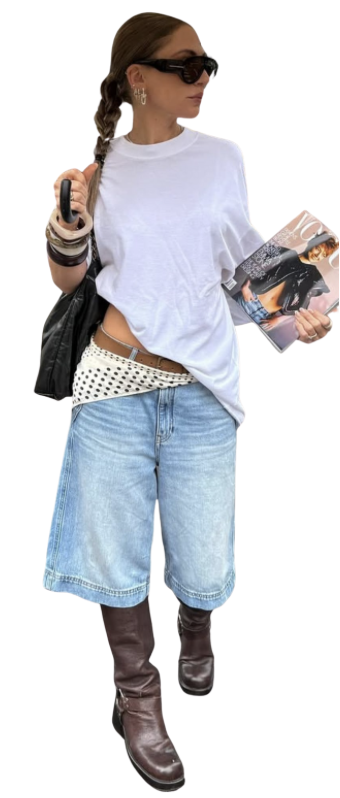


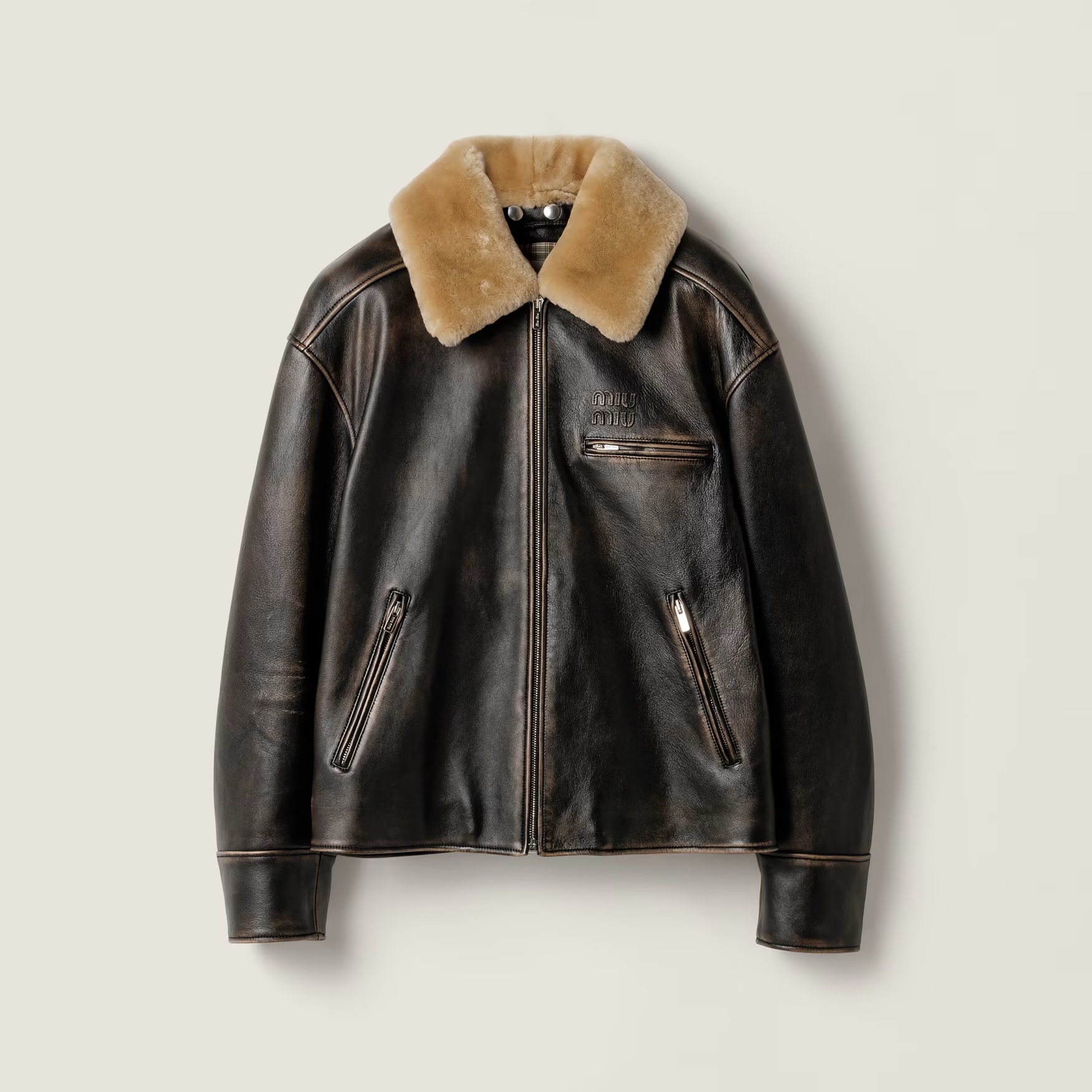
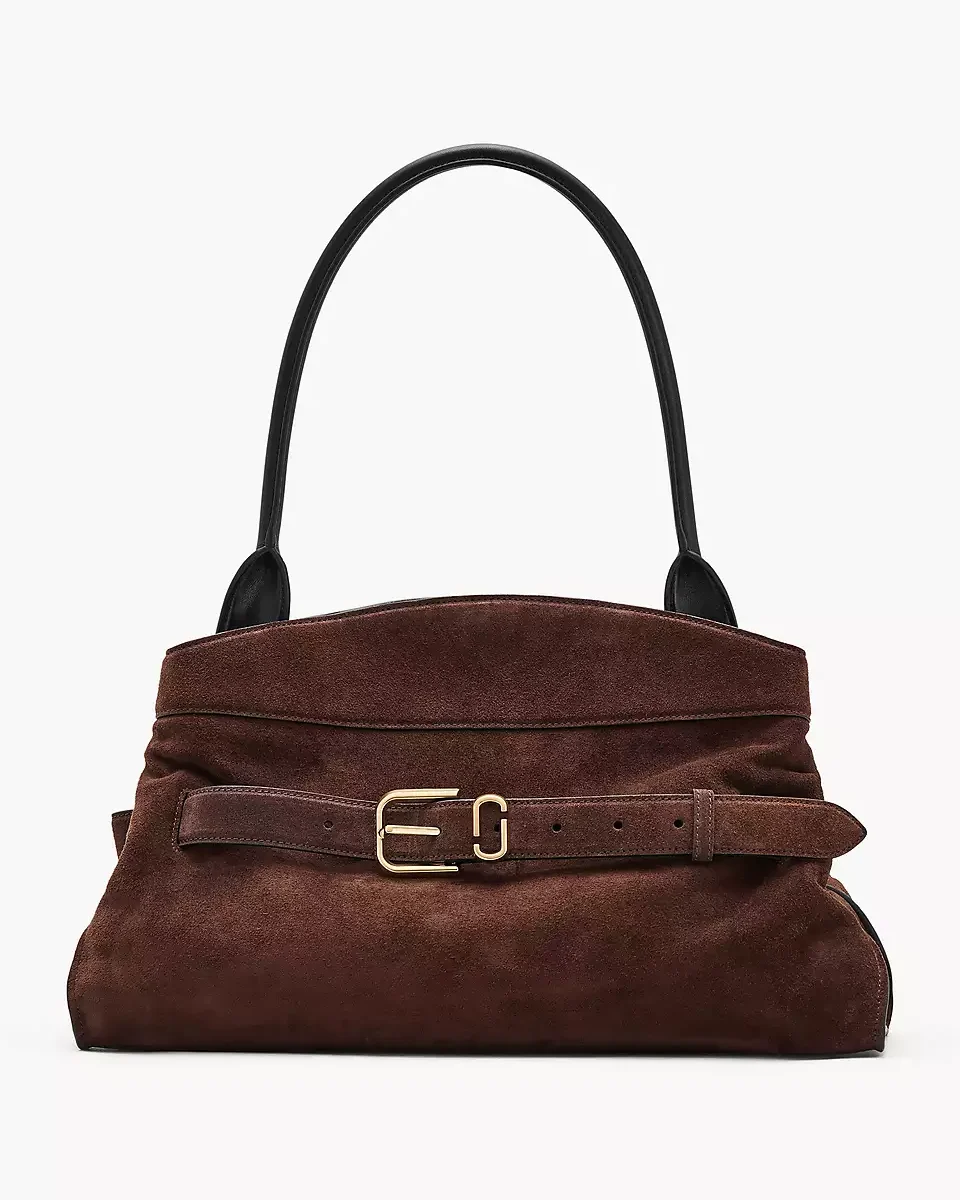
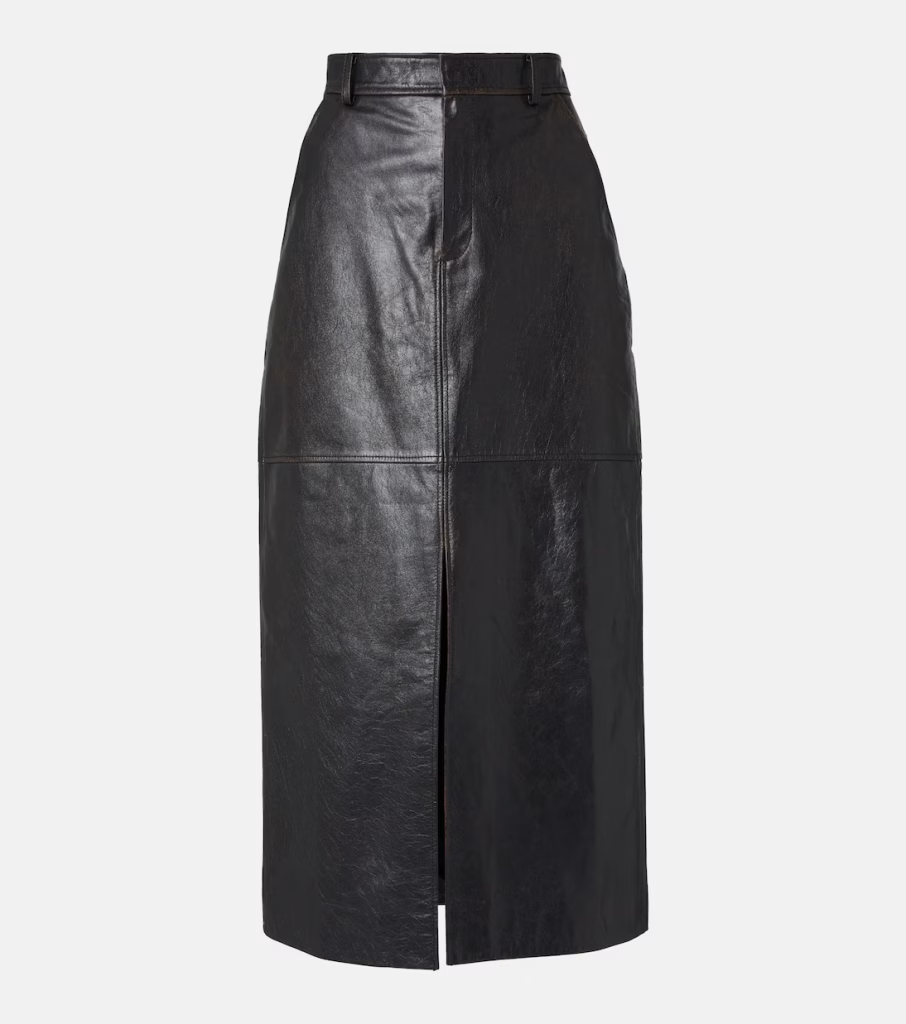
Textures: This fall, fashion is about feeling as much as seeing. Suede is everywhere: on jackets, skirts, and accessories, bringing back that 70s feeling. Fur returned, but now in moderation: a trim on a sleeve or a collar, no longer screaming luxury but now more of a whisper. And then of course there’s still leather, specifically leather skirts, the elevated and sleek evolution of the leather pant. Once reserved for a night out, but now more of an everyday staple. Together, these materials feel more grounding in an increasingly digital world.
Lifestyle & Design
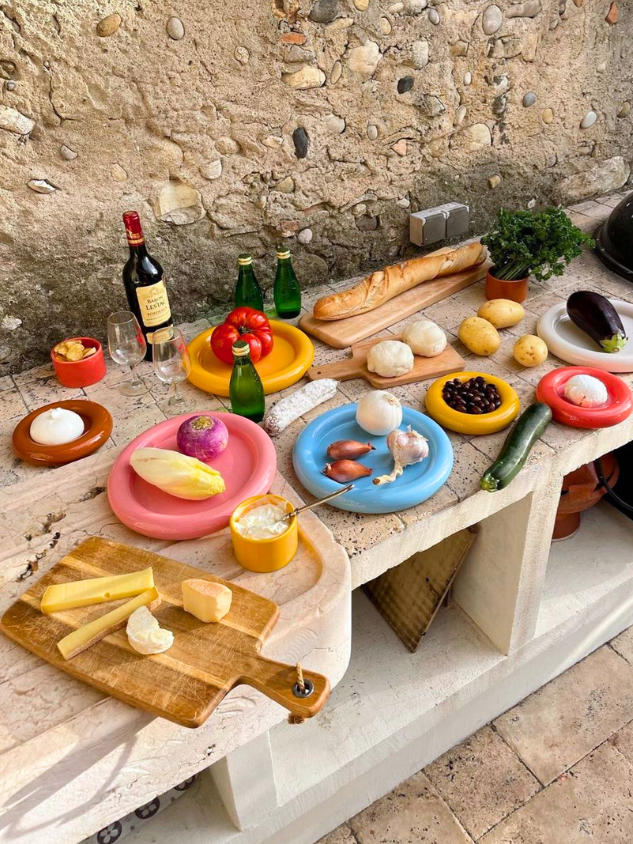
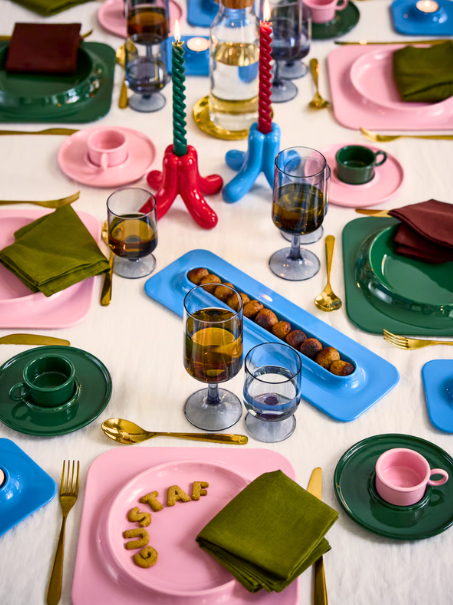
The shift toward tactility and expression is also shaping interiors. Maximalist dishware, chunky, colorful, and unapologetically impractical, is dominating home life. Every dinner table is beginning to look like an art project. Meals have become optional these days; it’s all about how good your plate looks on camera.

With all of these interiors getting louder, relationships are getting quieter. In her viral Vogue essay “Is Having a Boyfriend Embarrassing Now?”, Chanté Joseph captures a strange new etiquette of public intimacy, one defined by soft-launches, restraint, and irony. Love, like design, is curated. It’s not that the romance has disappeared; it’s that the commitment has to be styled correctly to avoid cringe. But the point isn’t that having a boyfriend is embarrassing: it’s that your identity shouldn’t disappear into the relationship. Be the girl who happens to have a boyfriend, not the girl whose whole personality is her boyfriend. The goal isn’t to ever be someone’s girlfriend; it’s to be yourself, and you just happen to have one. Being single isn’t a waiting room anymore; it’s a privilege to exist in a time when women can build, buy, and be everything on their own. Having a boyfriend isn’t a goal; it’s an addition, something that fits into your life, not something that defines it. It’s a partnership built on choice, not dependence. You’re not waiting to get chosen…you’re doing the choosing. And in a culture obsessed with image, performance of detachment has become its own aesthetic, where emotional transparency feels riskier than any bold pattern or paint color.
Meanwhile, the cracks are showing, literally, in the old aesthetic ideal of minimalist luxury. 432 Park Avenue, once the ultimate status symbol of wealth, has become a cautionary tale: flooded elevators, creaking walls, and lawsuits between billionaires. 432 Park was built to outlast taste, but maybe that’s the point…it didn’t. The cultural mood has changed; people want spaces that feel alive, not untouchable.
Art is also reclaiming accessibility. The Bob Ross Foundation recently announced it will donate 30 original paintings to support public television, a full-circle moment for an artist who built his career on the belief that creativity belongs to everyone. In an era where art is increasingly treated like an investment portfolio, Ross’s philosophy feels rebellious. His gentle optimism, that anyone can paint, anyone can make something, reads less like nostalgia now and more like a challenge: what if art were truly public again?
Technology & Culture Collide
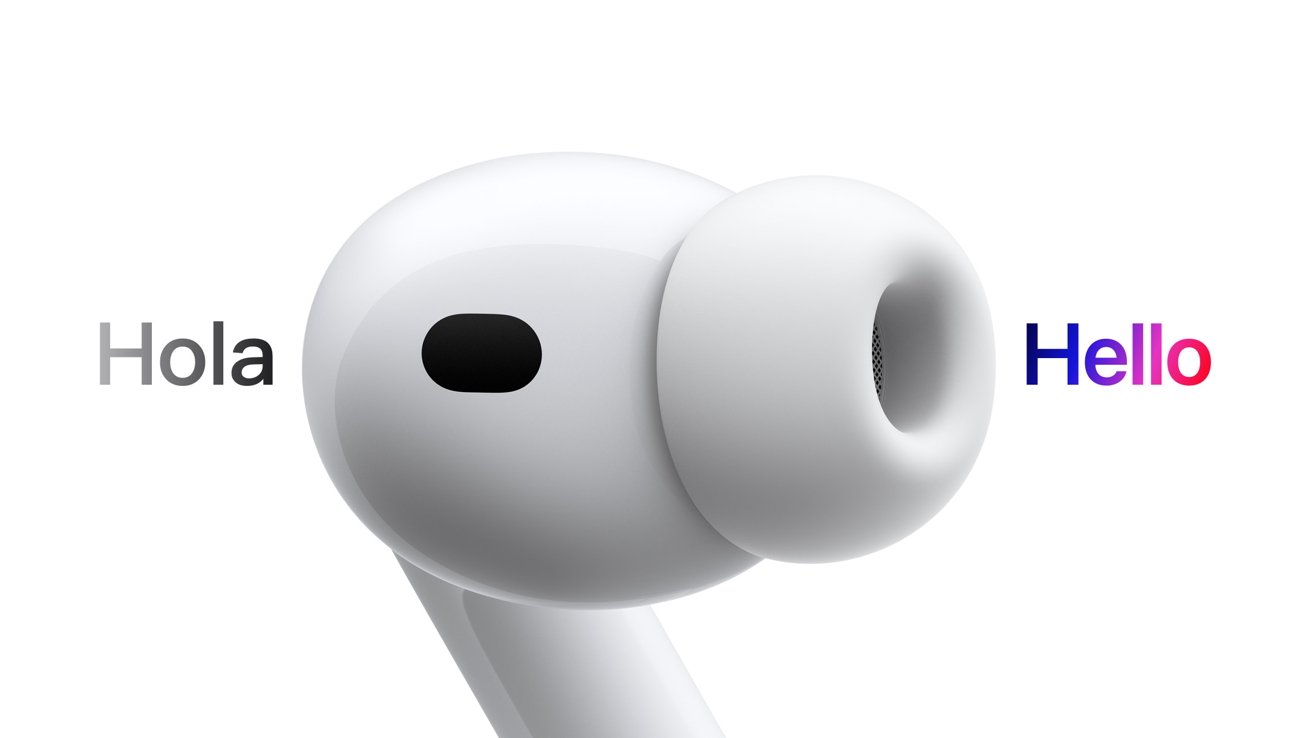
In a time of excess, technology insists on subtraction: smaller devices, fewer buttons, less noise. Apple’s new thinnest iPhone ever, the iPhone Air, carries on the company’s legacy of minimalism, forever behind the curve on creativity, yet perfectly aligned with the culture’s Ozempic obsession. Meanwhile, translation-enabled AirPod Pros hint at a world where language divides dissolve in real time. Finally, we can all understand each other…which means terrible news for nail salons.


Then there’s the AI necklace, a device marketed as your “friend,” designed to converse, advise, and keep you company. New Yorkers began tearing down its advertisements, calling the concept absurd, but the creator seemed delighted by the outrage. Maybe that was the point: to provoke reflection on our increasingly parasocial relationship with machines. The same question hangs over the Neo home robot: a glossy, wide-eyed companion that remembers your routines, greets you by name, and claims to understand your mood. Should we be building companionships or simulations?


Brand Collabs & Power Moves
Partnerships are running the cultural show as much as runways.
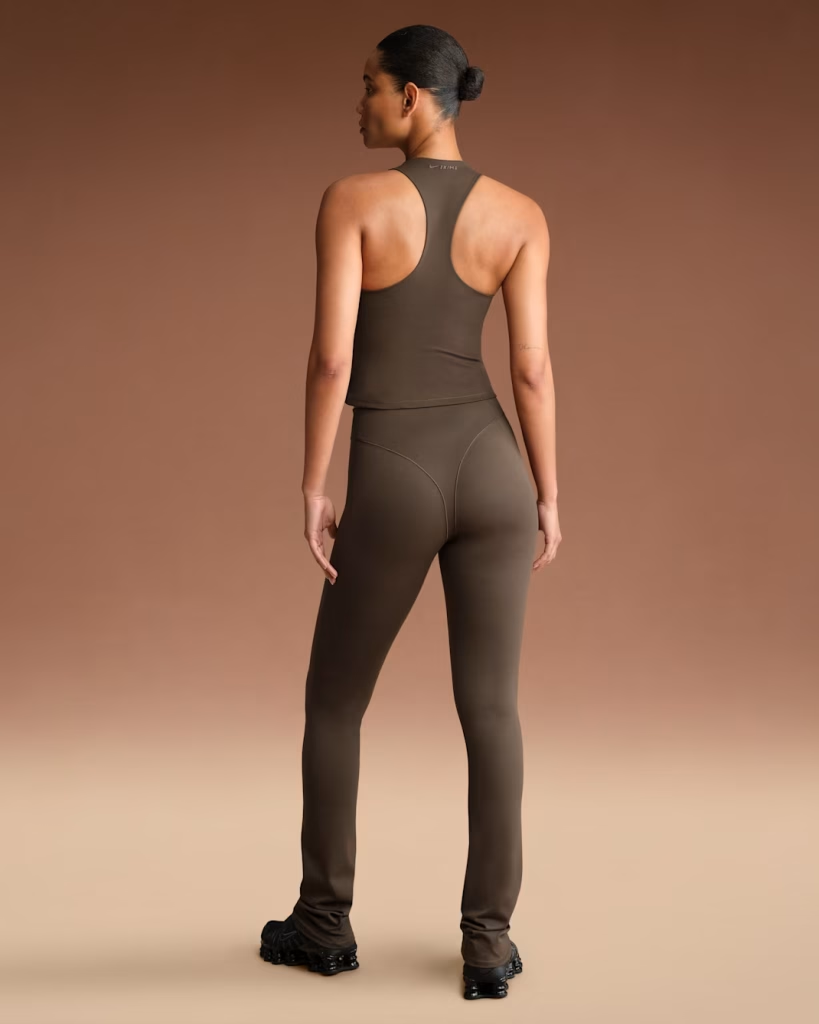
Nike x Skims fuses athletic function with sculptural femininity, reimagining performance wear through a body-conscious, minimal lens.

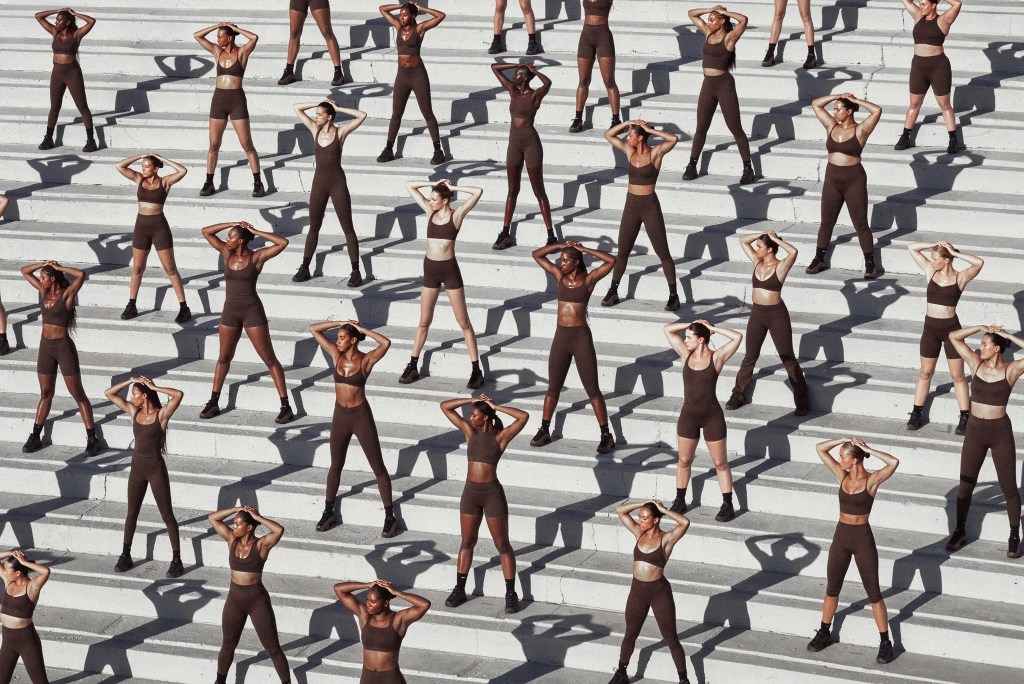
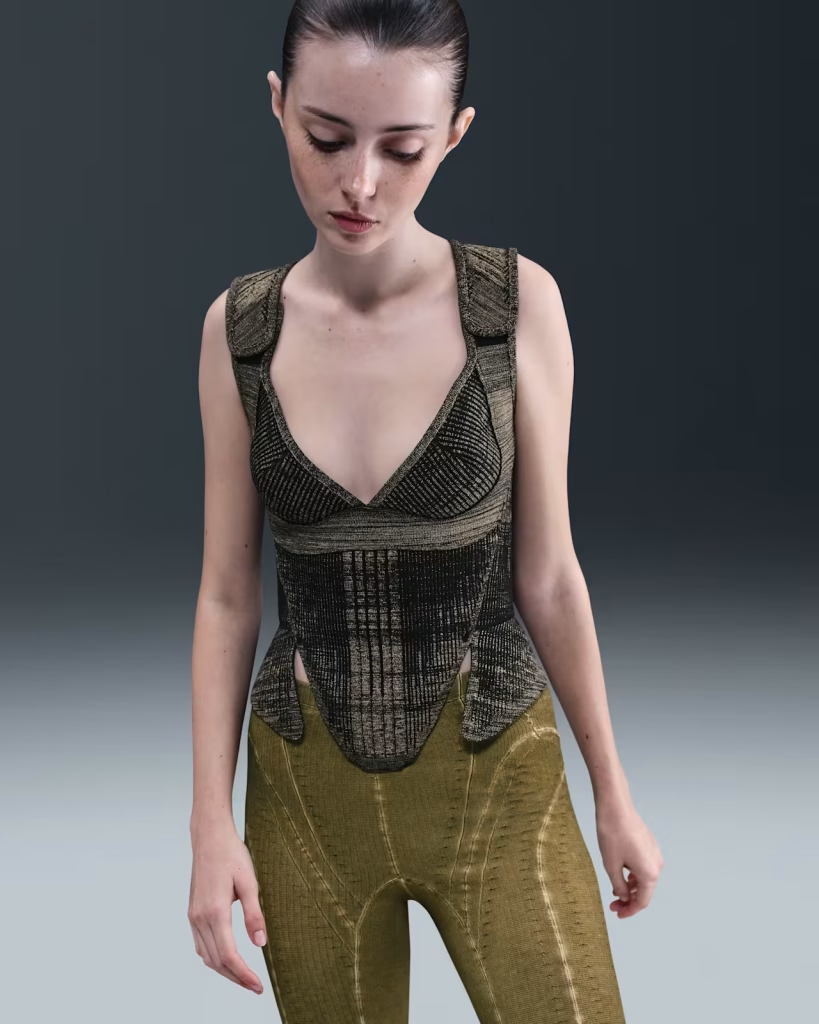
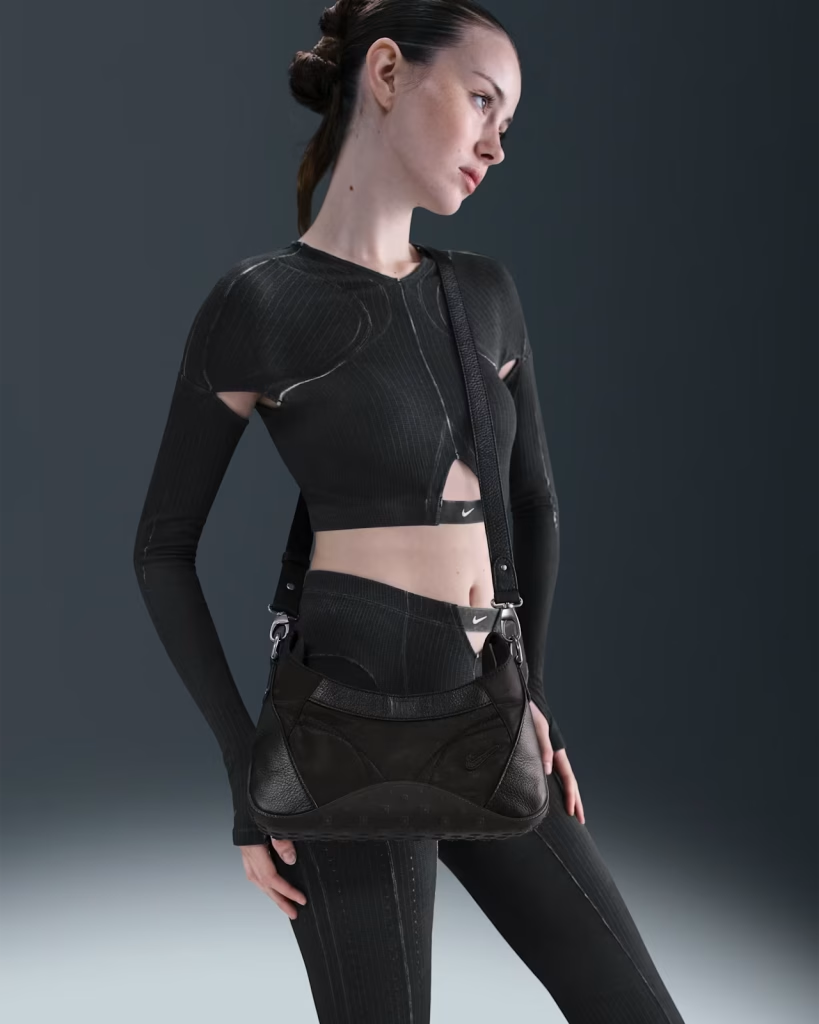
Nike x KNWLS, meanwhile, injects underground edge into performance wear; think corsets as athleisure.

Lululemon’s unexpected link-up with the NFL pushes this crossover even further, bringing luxury athleisure into the arena of mainstream sports culture. If the rumors about Jaden Smith at Louboutin are true, it’s official: high fashion is now taking notes from Gen Z.
Meanwhile, Dior Sauvage keeps dominating as the top-selling scent, a rugged fantasy that somehow still sticks. And the revived Victoria’s Secret Fashion Show has everyone debating: are we being too critical of traditional beauty, or just finally holding it accountable?
Even tiny details carry weight. The Taylor Swift necklace incident, a tiny design choice with surprisingly big historical echoes. It sparked debates about intent, ignorance, and the crucial role of diversity awareness within creative teams. Moments like this are uncomfortable, sure, but they also remind us how closely fashion, art, and identity are intertwined: even a necklace can carry the weight of history.
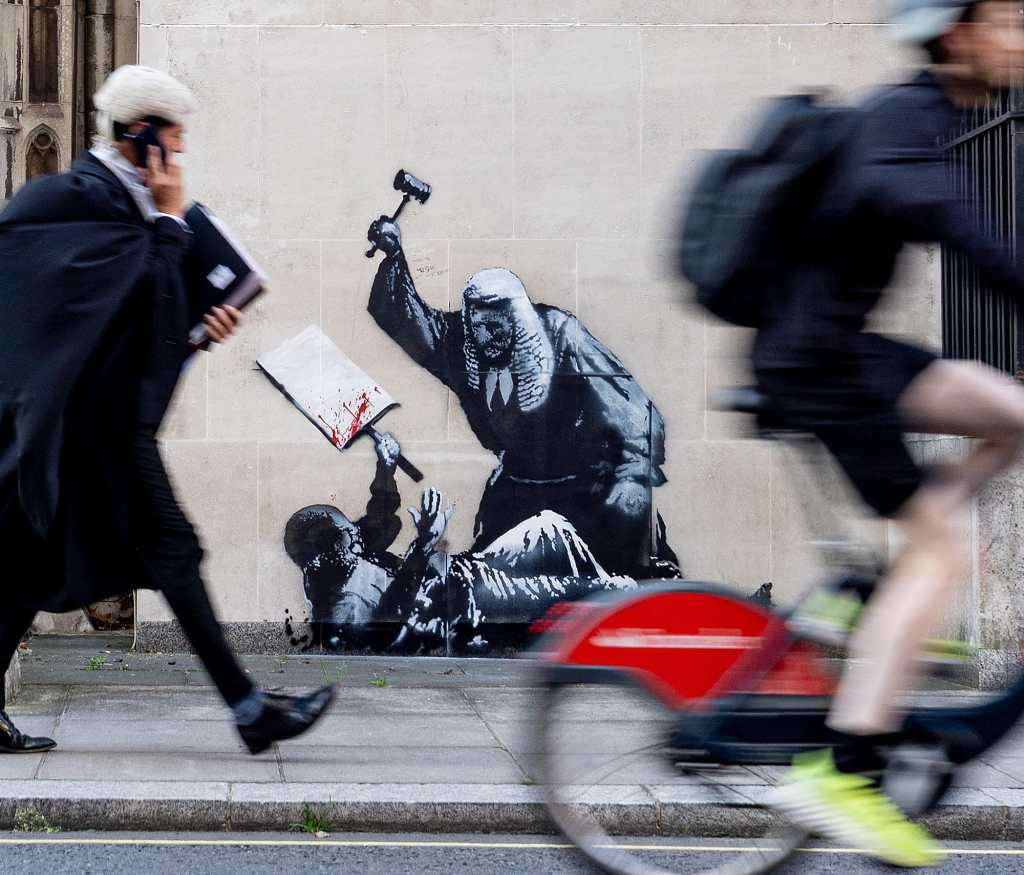
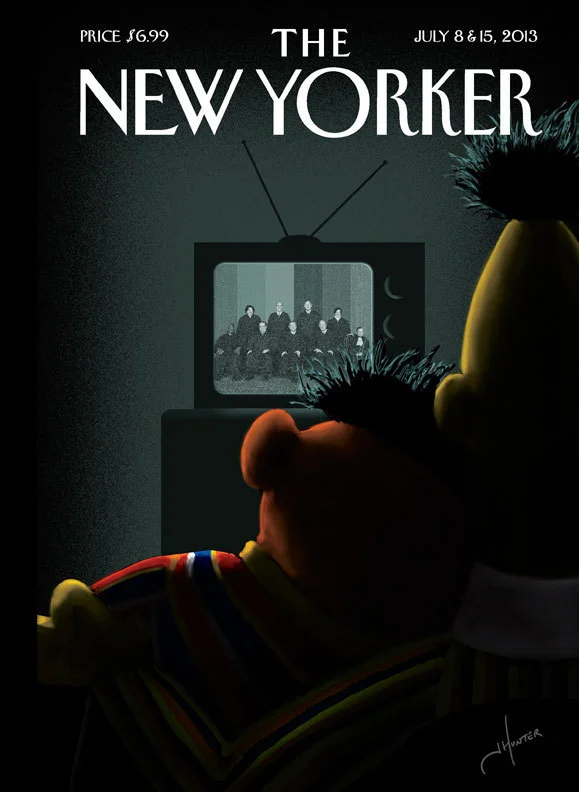
Elsewhere, Banksy’s installation outside London’s Court of Justice blurs the line between activism and satire, proving that street art can still provoke, unsettle, and make you think twice about authority. The New Yorker’s 2013 Ernie & Bert cover, recently honored by The New York Times as one of the most influential magazine covers of all time, shows another side of subtle resistance: quiet, playful, yet impossibly powerful in shaping cultural perception.
Even in media, small shifts signal bigger cultural moments, like Netflix and Spotify bringing video podcasts to streaming, where talk shows now meet algorithms.
Color Forecast
This season’s color story leans grounded and sensual: chocolate brown, deep purples, olive, butter yellow, and sharp chili pepper red, emerging in the place of burgundy. There’s always the subtle sophistication of blue and brown together, a pairing that always feels modern and effortlessly chic. These tones are more subtle but not just seasonal; they definitely have our attention.


The past few years have been about restraint and minimalism to the max, but now we’re finally leaning into touchable textures, oversized shapes, and artful details that aren’t just an aesthetic preference.